Ceramic & Protection
Ceramic Coating vs PPF: Which Is Right for Your Car?
Key Takeaways
- PPF (paint protection film) is a thick urethane film that physically blocks rock chips, scratches, and road debris, and it self-heals light marks with heat.
- Ceramic coating is a liquid glass layer that bonds to the clear coat, adding gloss, UV protection, and strong water repellency, but it does not stop rock chips.
- Ceramic coating typically costs $799 to $2,499 and lasts 2 to 7 years; PPF costs more (roughly $1,700 for a front end up to $8,000-plus for a full car) and lasts 8 to 10 years.
- The strongest setup is PPF on the high-impact areas plus a ceramic coating over the whole car, including over the film.
- For most San Francisco daily drivers without a garage, a quality ceramic coating is the best value; add front-end PPF if you drive the highway often.
Ceramic coating vs PPF comes down to one idea: PPF is a physical shield that blocks rock chips and scratches, while ceramic coating is a chemical shield that adds gloss and makes your car far easier to wash. They solve different problems, and the best setup often uses both.
Our technicians have put ceramic coatings on hundreds of cars around San Francisco. The question we hear most is which one is "better." The honest answer is that neither replaces the other. PPF stops damage before it reaches the paint. Ceramic keeps the finish slick, glossy, and protected from sun, salt air, and street grime.
This guide breaks down what each one protects against, what they cost, how long they last, and when combining them is worth it, so you can pick the right protection for how and where you actually drive.
What's the difference between ceramic coating and PPF?
Both protect your paint, but they work in completely different ways.
PPF, or paint protection film, is a clear thermoplastic urethane film about 6 to 8 mils thick, roughly the thickness of a business card. It's cut to fit each panel and laid over the paint like an invisible skin. Because it's a real physical layer, it absorbs impacts and self-heals light scratches when warmed by the sun or hot water.
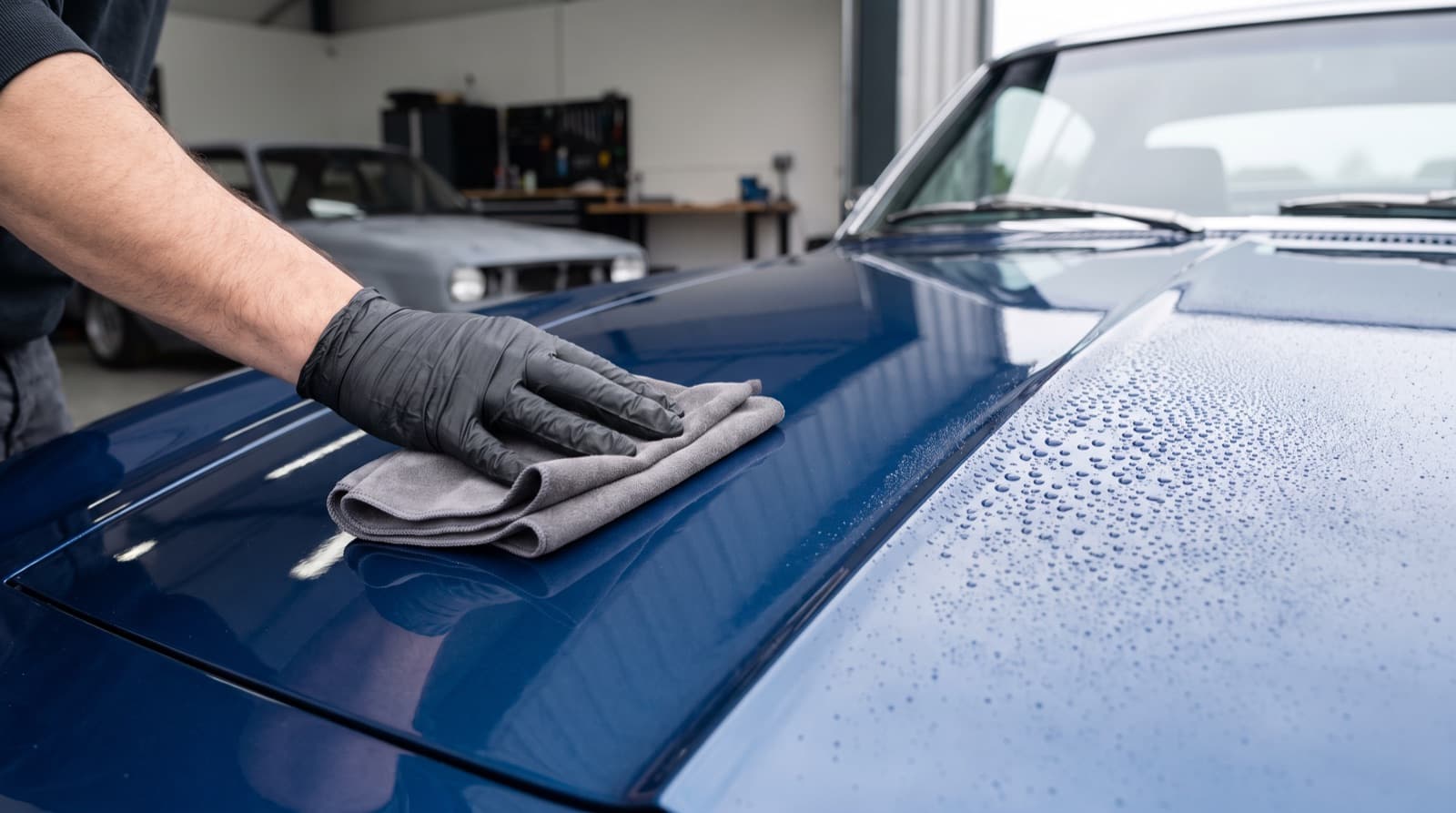
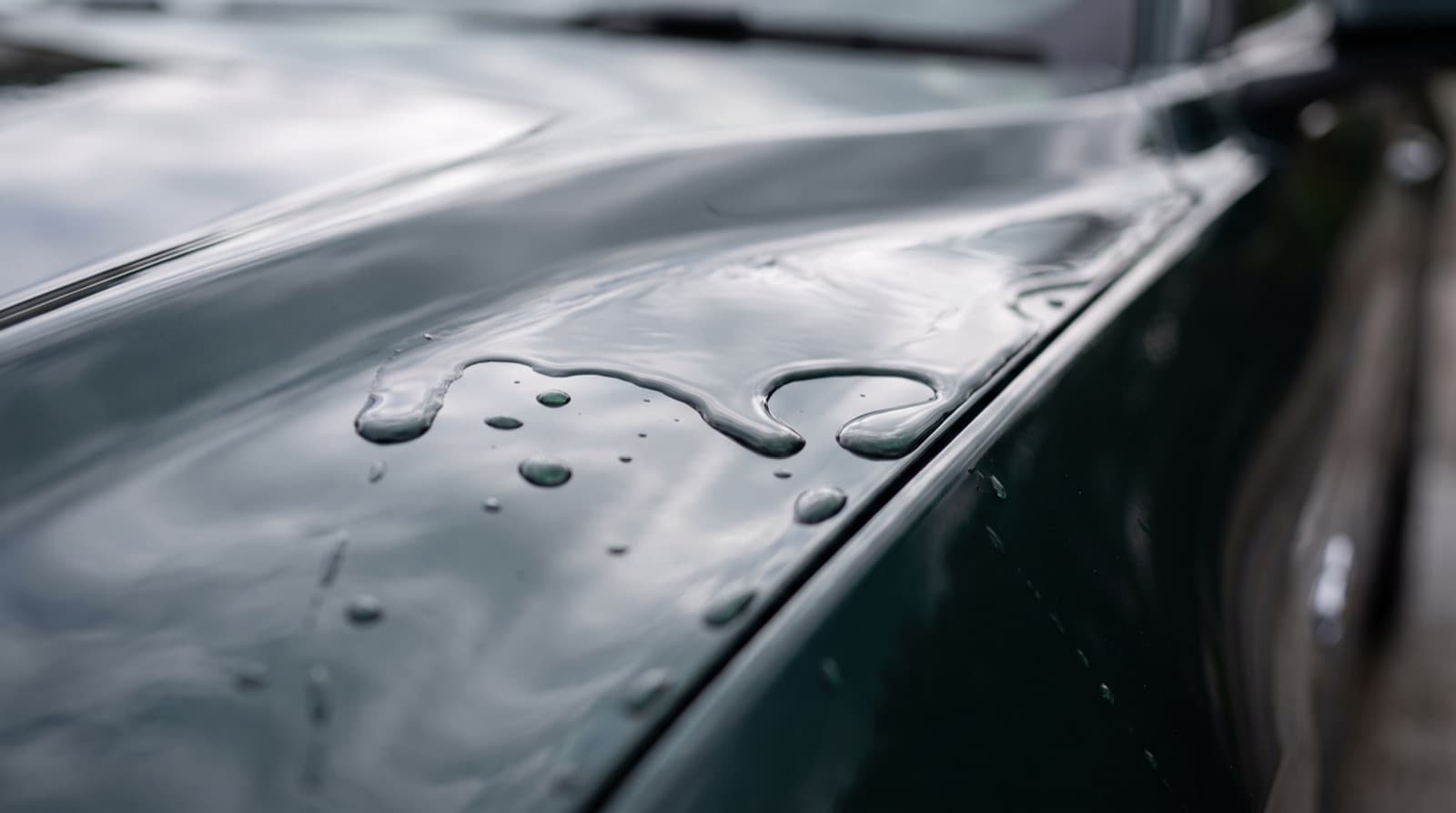
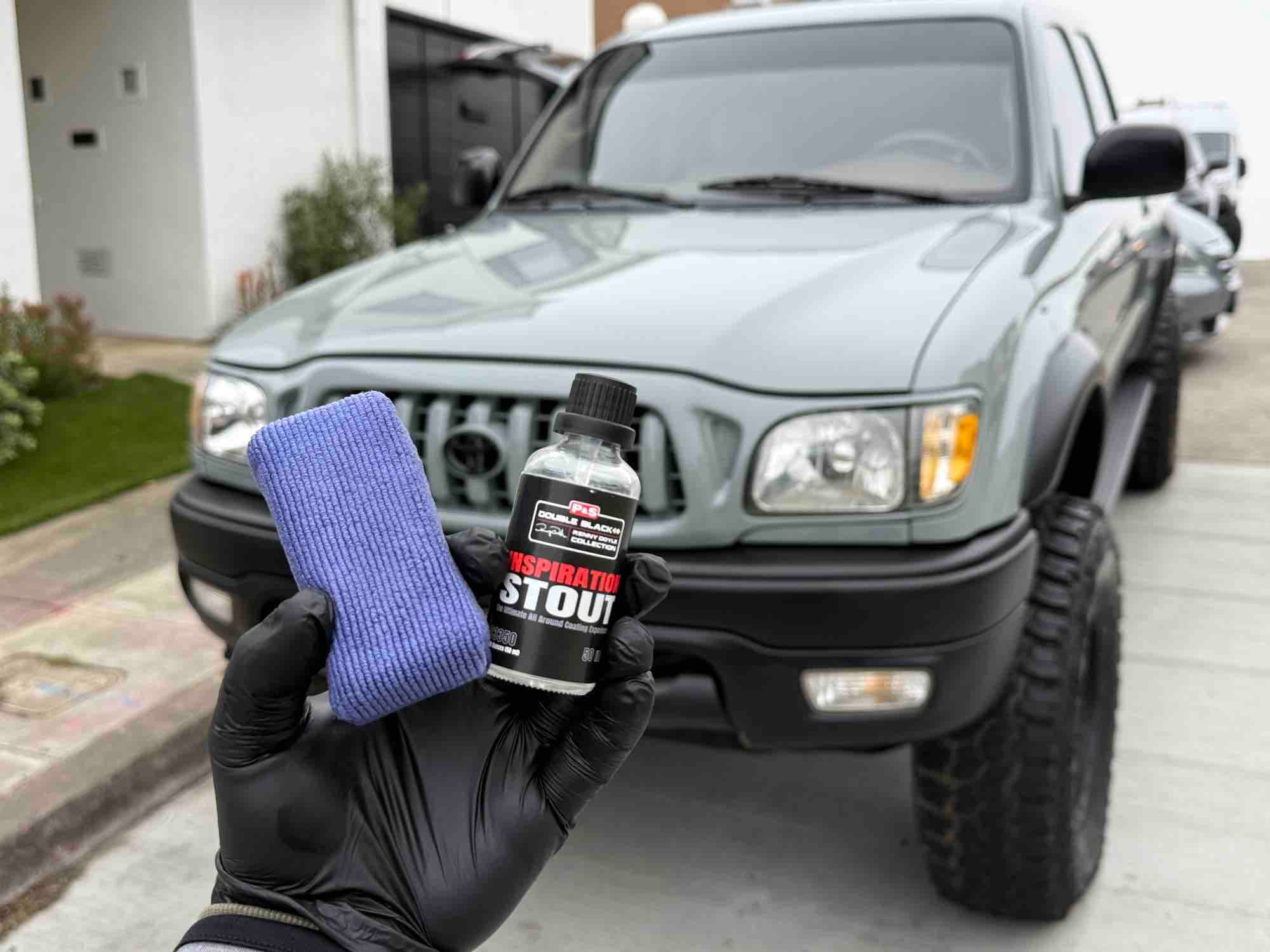
Ceramic coating is a liquid polymer, usually silicon dioxide (SiO2), that chemically bonds to your clear coat and cures into a thin, hard, glass-like layer. It doesn't add thickness you can feel. Instead it makes the surface slick and water-hating, so dirt, water spots, and grime struggle to stick.
- PPF is a physical barrier you can feel; ceramic is a chemical barrier you can't.
- PPF self-heals light scratches; ceramic resists swirls but won't fix a rock chip.
- PPF is installed as fitted sheets; ceramic is applied as a liquid and cured.
- Ceramic makes washing dramatically easier; PPF mostly sits and takes the hits.
Pro tip: Think of PPF as the armor and ceramic as the wax that never washes off. They're teammates, not rivals.
What does each one protect against?
This is where the two really separate. PPF wins on physical threats; ceramic wins on chemical and cosmetic ones. The table below shows how each handles the damage a car actually faces day to day.
| Threat | PPF | Ceramic coating |
|---|---|---|
| Rock chips and road debris | Blocks and self-heals | Little to none |
| Light scratches and swirls | Absorbs and self-heals | Adds hardness, not chip-proof |
| Bird droppings and bug acid | Blocks, easy cleanup | Repels, easy cleanup |
| UV fading from the sun | Good (quality film) | Good |
| Water spots and hard water | Some resistance | Strong (hydrophobic) |
| Road salt and street grime | Blocks | Repels, easy wash |
| Gloss and shine | Slight boost | Strong boost |
Pro tip: Ceramic does not stop rocks. If a shop tells you a coating is 'chip-proof,' walk away.
Ceramic coating vs PPF: cost and durability
Price is usually where the decision gets real. PPF costs more because it's labor-intensive. Every panel is measured, cut, and hand-fit, sometimes with the film wrapped around edges. Ceramic is faster to apply but demands careful paint prep to bond correctly.
The prices below use our real ceramic tiers plus typical market ranges for PPF (film install is a separate specialty). Our ceramic coatings start at $799 for a 2 to 3 year System X or Gyeon layer and go up to System X Max for the longest-wearing tier. Every ceramic package includes a one-step paint correction so the finish is clean before we seal it. SUVs and trucks add $200.
| Option | Typical cost | Lasts | Best for |
|---|---|---|---|
| Ceramic coating, 2 to 3 year | $799 | 2 to 3 years | Gloss and easy washing |
| Ceramic coating, 6 year | $1,499 | About 6 years | Long-term shine and protection |
| Ceramic coating, Max tier | $2,499+ | Longest tier | Premium, hardest wearing |
| PPF, full front end | ~$1,700 to $3,400 | 8 to 10 years | Highway rock chips |
| PPF, full vehicle | ~$5,800 to $11,500 | 8 to 10 years | Maximum physical protection |
| PPF plus ceramic stack | ~$3,500 to $6,500 | 8 to 10 years | Best of both worlds |
Pro tip: Cheap 'ceramic' is often a spray sealant that lasts months, not years. Ask what product goes on and how many years of warranty back it before you pay.
Which one looks better?
If pure gloss is the goal, ceramic coating usually wins. It adds a deep, wet, mirror-like shine and makes color pop, especially on dark paint like the black and gray you see on so many EVs here.
Quality PPF is optically clear and comes in gloss or matte, but on its own it won't out-shine a fresh ceramic layer. That's a big reason people put ceramic over their film. You get the film's impact protection with the coating's shine, and the whole car cleans up exactly the same way.
Should you combine PPF and ceramic coating?
For a lot of drivers, yes, and it's the setup we'd choose on a new car we planned to keep. You put PPF on the areas that take the most abuse, then ceramic-coat the entire car, including over the film. The film blocks impacts; the coating adds gloss and makes everything easy to clean.
A combined 'new car protection' package typically runs about $3,500 to $6,500 depending on how much film you add. Here are the impact zones worth filming first:
- Front bumper and grille
- Hood and front fenders (partial or full)
- Side mirrors
- Rocker panels and lower doors
- Door cups behind the handles
- Rear bumper top, where you scuff it loading the trunk
Pro tip: On a budget? Do full-front PPF plus a full-car ceramic. That covers the highway impact zone and still protects every panel from sun, salt, and grime.
Which is right for San Francisco drivers?
Where and how you drive matters more than any spec sheet, and San Francisco is tough on paint in specific ways.
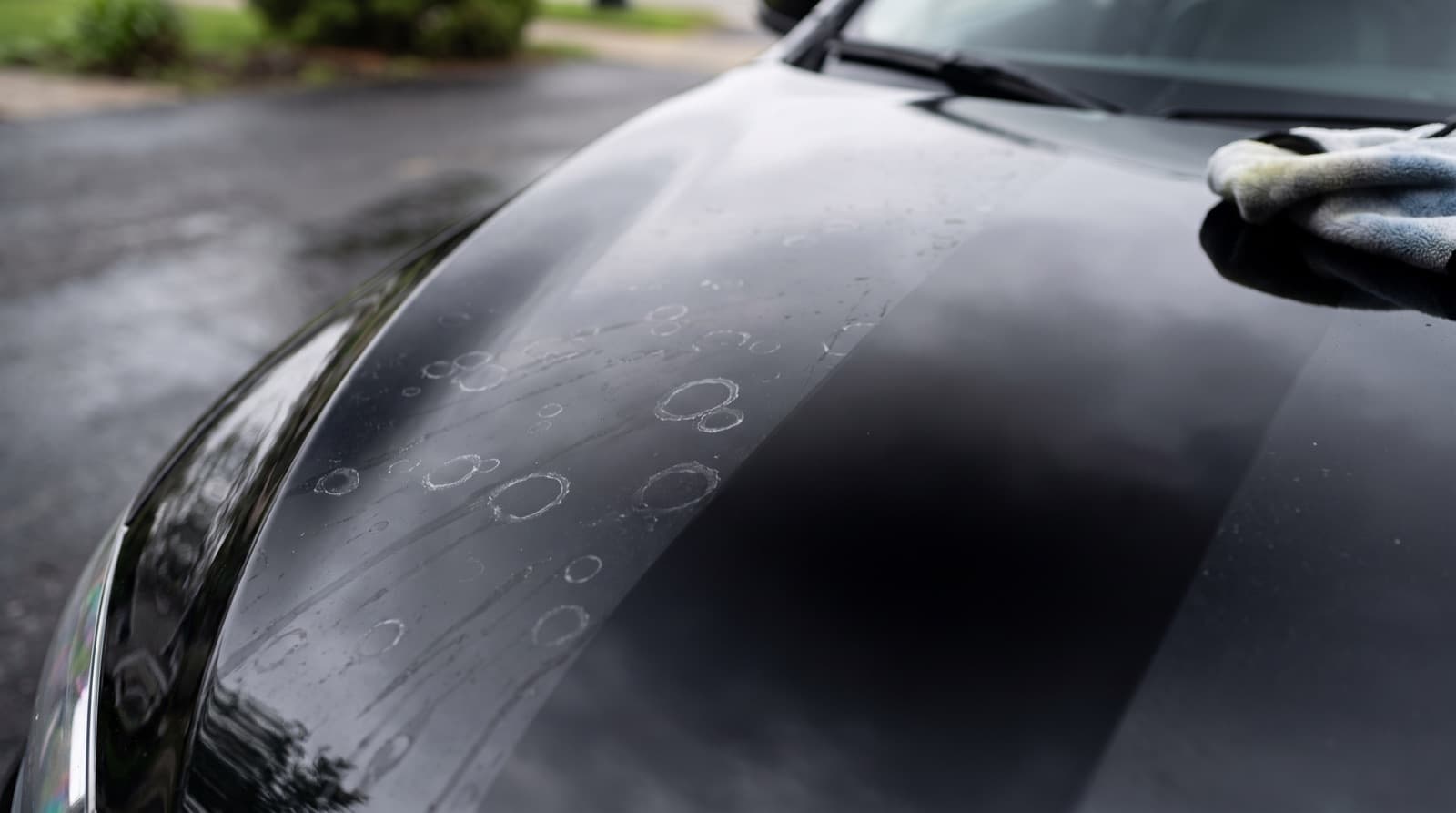
Most SF drivers park on the street with no garage. That means constant fog and marine-layer moisture, salt air off the bay, water spotting, tree sap, and the fine grit that coats every street-parked car. None of that is rock-chip damage. It's chemical and environmental, and a quality ceramic coating is built for exactly this. It shrugs off water spots, makes bird droppings and sap easier to lift before they etch, and turns your weekly wash into a quick rinse.
If you commute down 101 or 280, cross the bridges, or take regular road trips, you add real rock-chip risk. That's the case for front-end PPF on top of your ceramic. And with so many Teslas and Rivians here, often in soft factory paint that swirls easily, the combo of film up front and ceramic everywhere is a sensible, popular setup.
Pro tip: Because we're mobile, we coat your car in your own driveway or building garage, with our own water and power. No dropping it at a shop for days.
How to choose: a quick guide
Still deciding? Match your situation to one of these:
- Mostly city driving, street parked, want shine and easy washing: start with a ceramic coating.
- Lots of highway or freeway miles: add full-front PPF to guard against rock chips.
- New car you plan to keep five-plus years: do the PPF plus ceramic stack from day one.
- Older car with swirls and light scratches: get paint correction first, then ceramic to lock in the finish.
- Tight budget: a 2 to 3 year ceramic gives the biggest visible upgrade for the money.
Pro tip: Whatever you pick, prep is everything. A coating over dirty or scratched paint just seals in the flaws. Correct first, protect second.
Frequently Asked Questions
Does ceramic coating stop rock chips?
No. Ceramic coating is a thin, hard chemical layer, so it resists swirls, water spots, and light scratches, but it will not stop a rock chip on the highway. For chip protection you need paint protection film (PPF), which is a thick physical barrier. Many owners ceramic-coat the whole car and add PPF on the front end.
Can you apply ceramic coating over PPF?
Yes, and it's a smart combo. Ceramic coating bonds fine to quality PPF and adds gloss plus water repellency, so the film-covered areas clean up just like the rest of the car. It also helps protect the film itself from staining and UV. This is the standard best-of-both setup on new cars.
How long does ceramic coating last in San Francisco?
It depends on the product and how you wash it. Our tiers run from about 2 to 3 years up to 6-plus years, and the System X Max tier lasts longest. SF's fog, salt air, and street grime don't shorten a properly installed coating. A good ceramic actually makes those conditions much easier to live with.
Is PPF worth it for a daily city driver?
If you rarely hit the highway, wrapping the whole car in film can be overkill for the money. Many city drivers get more value from a ceramic coating plus front-end PPF, which covers the one area most likely to take a rock chip. If you log a lot of freeway or bridge miles, more film pays off.
Do you install PPF at Golden Bay Detailing?
We specialize in ceramic coating and paint correction, done at your home or office anywhere in San Francisco, the Peninsula, and Marin. PPF is a specialized film install. If you want it, we're glad to point you to a trusted film shop, and we can ceramic-coat over their film to add gloss and easy cleaning.
Keep reading from Golden Bay
Not sure which protection your car needs?
Tell us how and where you drive, and we'll give you a straight answer plus an exact ceramic coating quote in minutes, done right in your SF driveway. No pressure, no upsell.