Ceramic & Protection
Is Ceramic Coating Worth It? An Honest Detailer's Take
Key Takeaways
- Ceramic coating is worth it for drivers who keep their car more than two years, park outside, and want easier cleaning plus long-term paint protection.
- A professional ceramic coating typically costs $799 to $2,499+ and lasts 2 to 6 years, depending on the product tier.
- Ceramic coating does not stop rock chips or deep scratches. Only paint protection film (PPF) adds real physical impact protection.
- Ceramic coating outlasts wax by years: wax fades in weeks to a few months, while ceramic bonds to the clear coat for 2 to 6 years.
- In San Francisco, ceramic coating helps defend against salt air, fog moisture, water spots, and tree sap, especially for cars parked on the street.
Ceramic coating is worth it for most drivers who want to protect their paint for years and spend less time cleaning, but it is not magic and it is not right for every car or budget. Our technicians have applied hundreds of coatings across San Francisco, and the honest answer depends on how long you keep your car, where you park, and what you expect it to do.
A quality ceramic coating bonds to your clear coat and creates a slick, water-hating layer that shrugs off dirt, bird droppings, and UV. It can last two to six years or more. What it will not do is stop rock chips or replace regular washing.
Below is the straight version. What ceramic coating does, what it costs next to wax and PPF, and who should skip it. No hype.
What does a ceramic coating actually do?
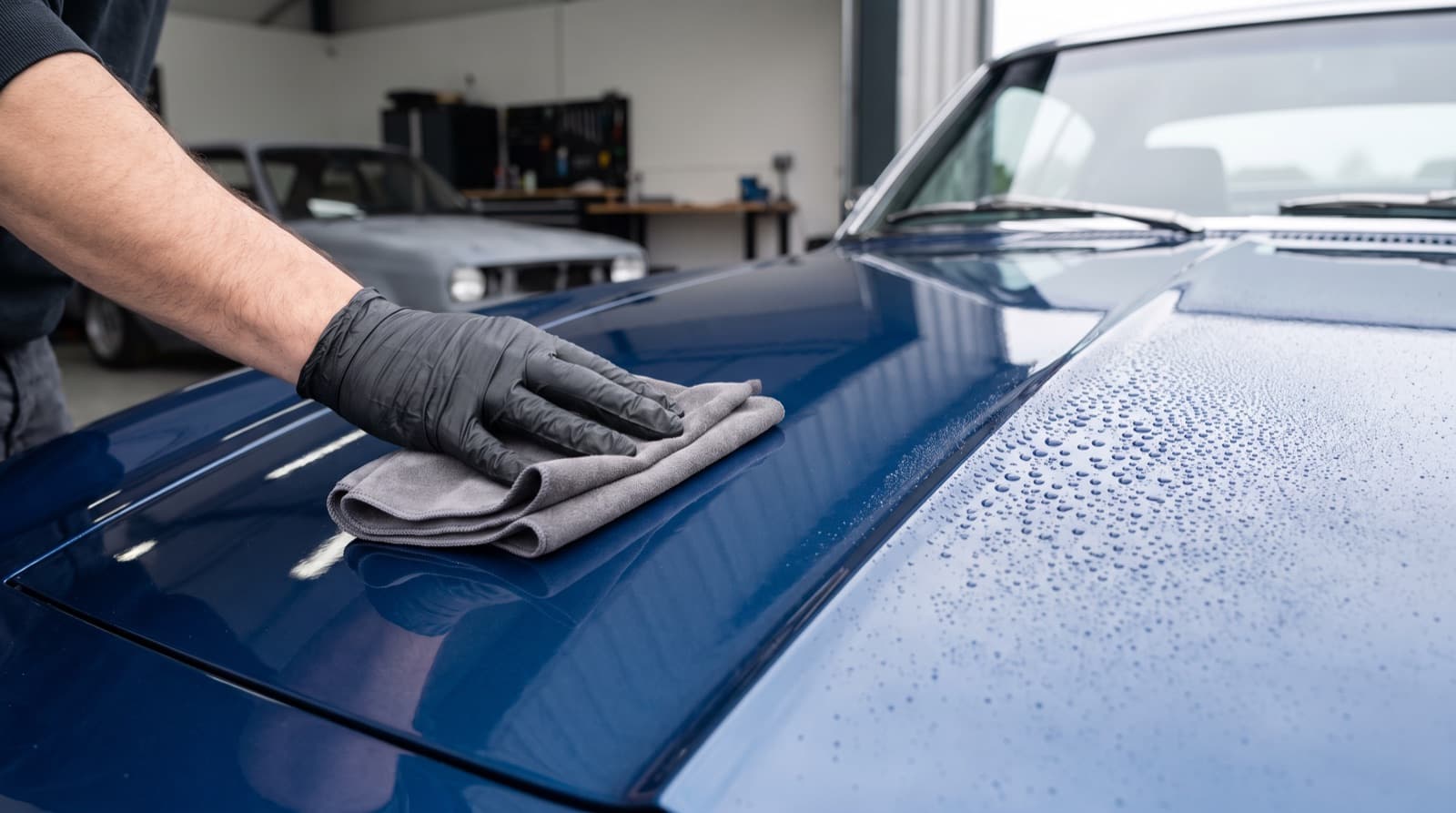
A ceramic coating is a liquid polymer, usually silicon dioxide (SiO2), that chemically bonds to your car's clear coat. Once it cures, it becomes a thin, hard, glass-like layer. Think of it as a semi-permanent shield that sits on top of your paint instead of washing off like wax.
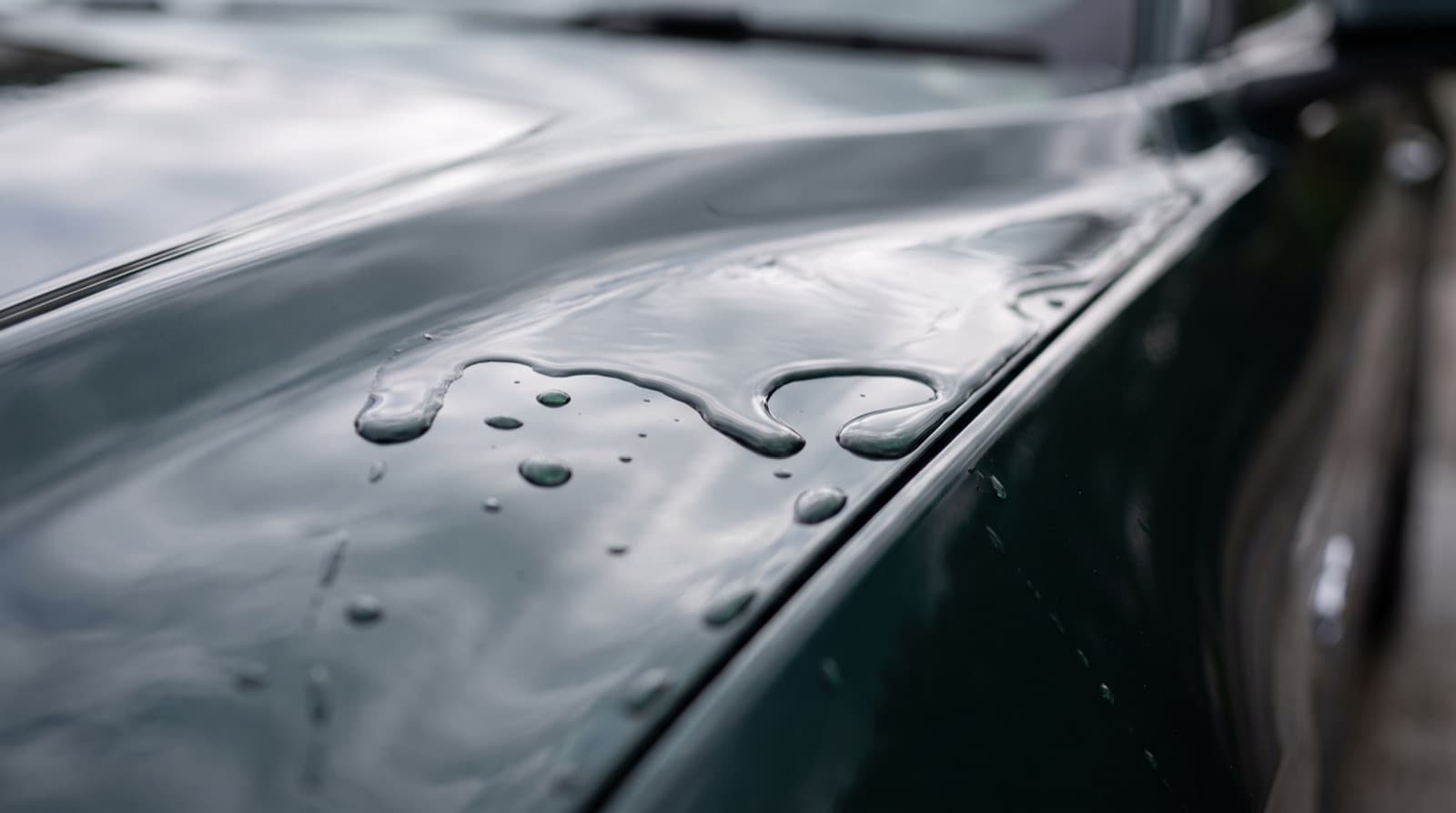
- Makes paint hydrophobic, so water beads up and rolls off. That beading you see in the videos is real.
- Adds strong UV protection, which slows fading and oxidation.
- Resists stains from bird droppings, bug guts, tree sap, and hard water.
- Makes washing faster because dirt struggles to grip the surface.
- Adds real gloss and depth, especially over a fresh paint correction.
Pro tip: Every ceramic coating we install includes a 1-step paint correction first. Coating over swirls just locks the swirls in. The prep is where most of the real gloss actually comes from.
What ceramic coating will NOT do
This is where a lot of marketing gets dishonest. A coating is tough, but it is only microns thick. It will not turn your car bulletproof, and any detailer who tells you otherwise is selling you something.
- It will not stop rock chips or door dings. That is a physical impact, and only PPF absorbs those.
- It will not prevent deep scratches, including the swirls from an automatic brush car wash.
- It will not make your car self-cleaning. You still wash it, just less often and with far less effort.
- It will not hide swirl marks already in the paint. Those get sealed in unless you correct them first.
How much does ceramic coating cost, and how long does it last?
Price tracks durability. A shorter-term coating runs a few hundred dollars. A multi-year, warrantied system costs more because both the product and the prep go deeper. Here is how our tiers break down. Every tier includes a 1-step paint correction, and SUVs and trucks add $200.
| Coating tier | Price | Lasts | Best for |
|---|---|---|---|
| 2-3 year (System X or Gyeon) | $799 | 2-3 years | First-timers, leased cars, tighter budgets |
| 6 year (System X Pro+) | $1,499 | ~6 years | Daily drivers you plan to keep |
| System X Max | $2,499+ | Longest, maximum durability | New or high-value cars and EVs |
Pro tip: As a System X certified installer, our longer tiers carry a manufacturer-backed warranty. That warranty is only valid through a certified installer, which is a big reason a $50 bottle from the auto store is not the same product.
Ceramic coating vs wax vs PPF
People compare ceramic coating to wax, but they should also look at paint protection film. These three solve different problems. Wax is cheap and easy but fades fast. Ceramic lasts years and resists chemicals. PPF is the only one that physically blocks rock chips, and it costs the most.
Many owners of new or expensive cars do both: PPF on high-impact areas like the hood and front bumper, ceramic over the rest. For most daily drivers in the city, a good ceramic coating is the sweet spot.
| Protection | Typical cost | Lifespan | What it is best at |
|---|---|---|---|
| Wax or sealant | $20-60 DIY, or added to a detail | Weeks to ~3 months | Quick gloss and cheap upkeep |
| Ceramic coating | $799-$2,499+ | 2-6+ years | Chemical, UV, and stain resistance, easy washing |
| Paint protection film (PPF) | ~$800 partial to $6,000+ full | 5-10 years | Physically stopping rock chips and scratches |
Is ceramic coating worth it in San Francisco?
This is the part that actually matters for local drivers, and it is where we watch coatings earn their keep. San Francisco is hard on paint in ways most people do not think about.
- Salt air off the ocean and bay speeds up oxidation and corrodes bare trim and wheels.
- Fog and the marine layer leave your car damp most mornings, which bakes water spots into unprotected paint.
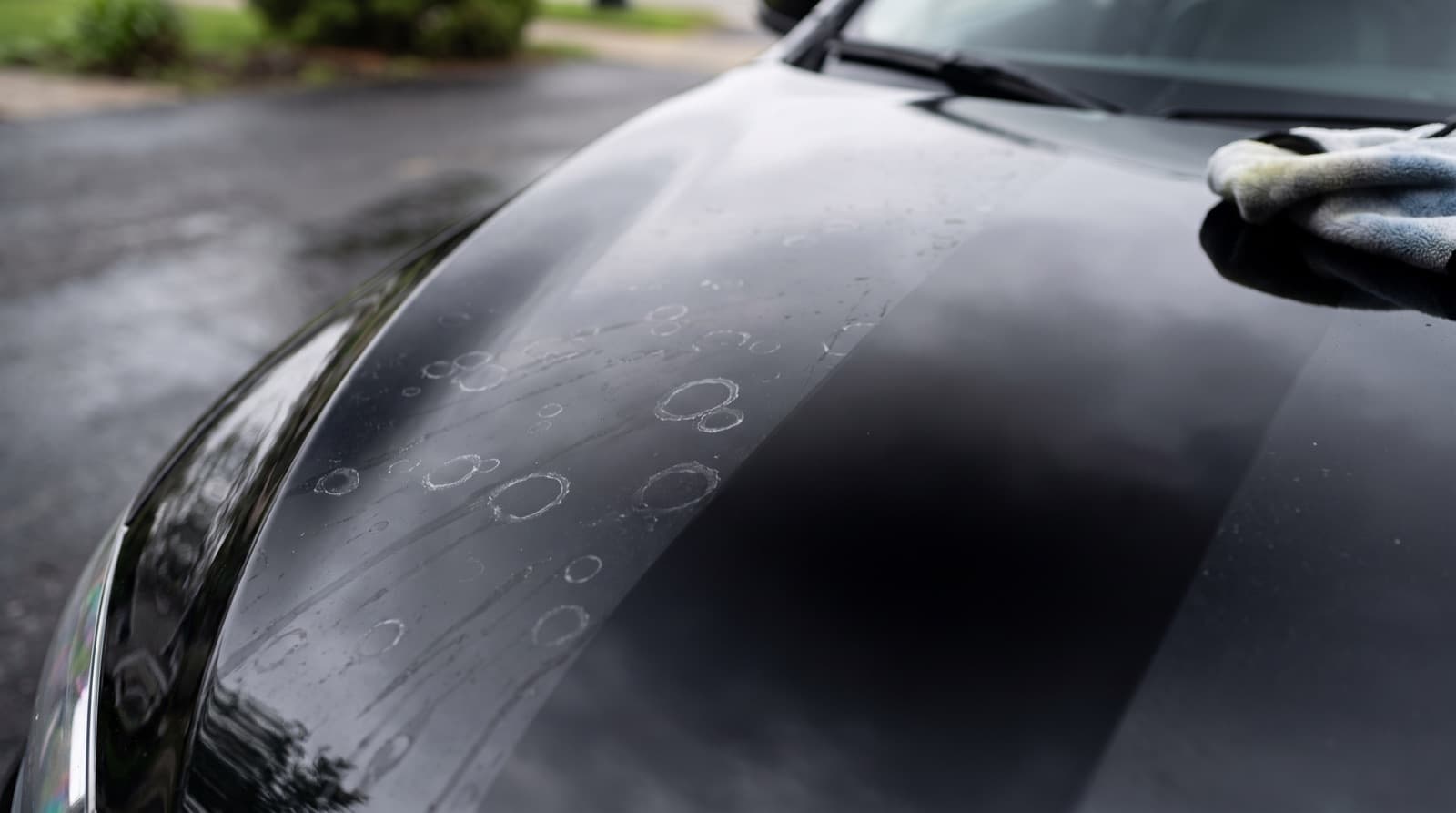
- Street washing and sprinkler overspray leave mineral rings that etch over time.
- Street parking means sap, bird droppings, dust, and construction fallout with no garage to hide in.
- The city is full of Teslas, Rivians, and other EVs with soft factory paint that swirls easily.
Pro tip: We are fully mobile, so we come to your driveway, office, or street spot with our own water and power. Coatings need a clean, controlled surface, and we handle all of the prep on-site across SF, the Peninsula, and Marin.
Who should get ceramic coating, and who should skip it
An honest detailer will tell you when to save your money. Here is the split we give people over the phone.
- Worth it: you keep your car longer than two years.
- Worth it: you park outside or on the street with no garage.
- Worth it: you have a new car or fresh paint you want to protect from day one.
- Worth it: you hate washing and want maintenance to be faster and easier.
- Worth it: you drive an EV with soft factory paint that marks up easily.
- Skip it: you are selling or trading the car within a year.
- Skip it: your paint is heavily damaged. Fix it with paint correction first, or the coating just seals in the damage.
- Skip it: you are happy reapplying a cheap wax every couple of months and do not mind the effort.
How to make a ceramic coating actually worth it
A coating is only as good as the prep under it and the care after it. Two cars can get the same product and one lasts two years while the other lasts six. The difference is these four habits.
- Correct the paint first. Coating over swirls and scratches locks them in permanently, so correction is not optional if you want that deep gloss.
- Keep up light maintenance washes. Rinse off salt and grime every couple of weeks with a pH-neutral soap, not a harsh degreaser.
- Skip automatic brush car washes. Those brushes are the fastest way to scratch a coated car. Hand wash or touchless only.
- Add a topper about once a year. A ceramic booster spray refreshes the water-beading and extends the life of the base coat.
Pro tip: The DIY spray coatings at the auto store are fine as a quick topper over an existing coating. As standalone, multi-year protection, they are not the same thing: thinner, shorter-lived, and no warranty.
Frequently Asked Questions
Is ceramic coating worth it for a daily driver?
For most daily drivers, yes. If you keep the car longer than two years and park outside, the easier washing, UV protection, and stain resistance add up quickly. The main exception is if you plan to sell or trade the car within a year.
Does ceramic coating stop scratches and rock chips?
No. Ceramic coating adds strong chemical and UV resistance and shrugs off light marring, but it is only microns thick. It will not absorb rock chips or door dings. For physical impact protection you need paint protection film (PPF).
Is ceramic coating better than wax?
For durability, clearly yes. Wax lasts weeks to a few months and needs constant reapplication. A professional ceramic coating bonds to the clear coat, lasts two to six years, and gives better UV and chemical protection. Wax is still fine if you enjoy the ritual and want a cheap, quick shine.
How often does a ceramic coating need maintenance?
Wash it every couple of weeks with a pH-neutral soap, avoid automatic brush washes, and add a ceramic booster spray about once a year. That light routine is what carries a coating all the way to the lifespan you paid for.
Is ceramic coating worth it in San Francisco specifically?
It is one of the better places for it. Salt air, fog moisture, water spots, tree sap, and street parking all attack unprotected paint here. A coating gives that grime a slick surface to sit on instead of etching in. Golden Bay Detailing installs coatings mobile across SF, the Peninsula, and Marin, so we handle the prep at your home or office.
Can I apply ceramic coating myself?
You can apply a DIY spray coating, and it works fine as a short-term topper. But the multi-year, warrantied coatings require careful paint correction, a controlled surface, and proper cure conditions. Done wrong, you can lock swirls and high spots into the paint, so for long-term protection a certified installer is worth it.
Keep reading from Golden Bay
Not sure if ceramic coating is right for your car?
Tell us what you drive and where you park it. We will give you an honest, no-pressure quote, text-back in minutes, and we will tell you straight if a wax or a full detail would serve you better.