Ceramic & Protection
What Is Paint Correction? How Machine Polishing Works
Key Takeaways
- Paint correction is a machine-polishing process that removes a micro-thin layer of clear coat to permanently erase swirls, scratches, oxidation, and water spots.
- It comes in levels: a 1-step removes about 60-80% of defects, a 2-step removes 85-95%, and multi-stage work reaches a 95%-plus show-car finish.
- Correction fixes anything living in the clear coat, but it cannot fix rock chips, dents, cracked clear coat, or deep scratches that catch a fingernail.
- It is always done before a ceramic coating because a coating is clear and permanent, so it locks in whatever condition the paint is in.
- At Golden Bay Detailing, paint correction runs $399 for a 1-step, $799 for a 2-step, and $1,199 for multi-stage, with a one-step correction included in every ceramic package.
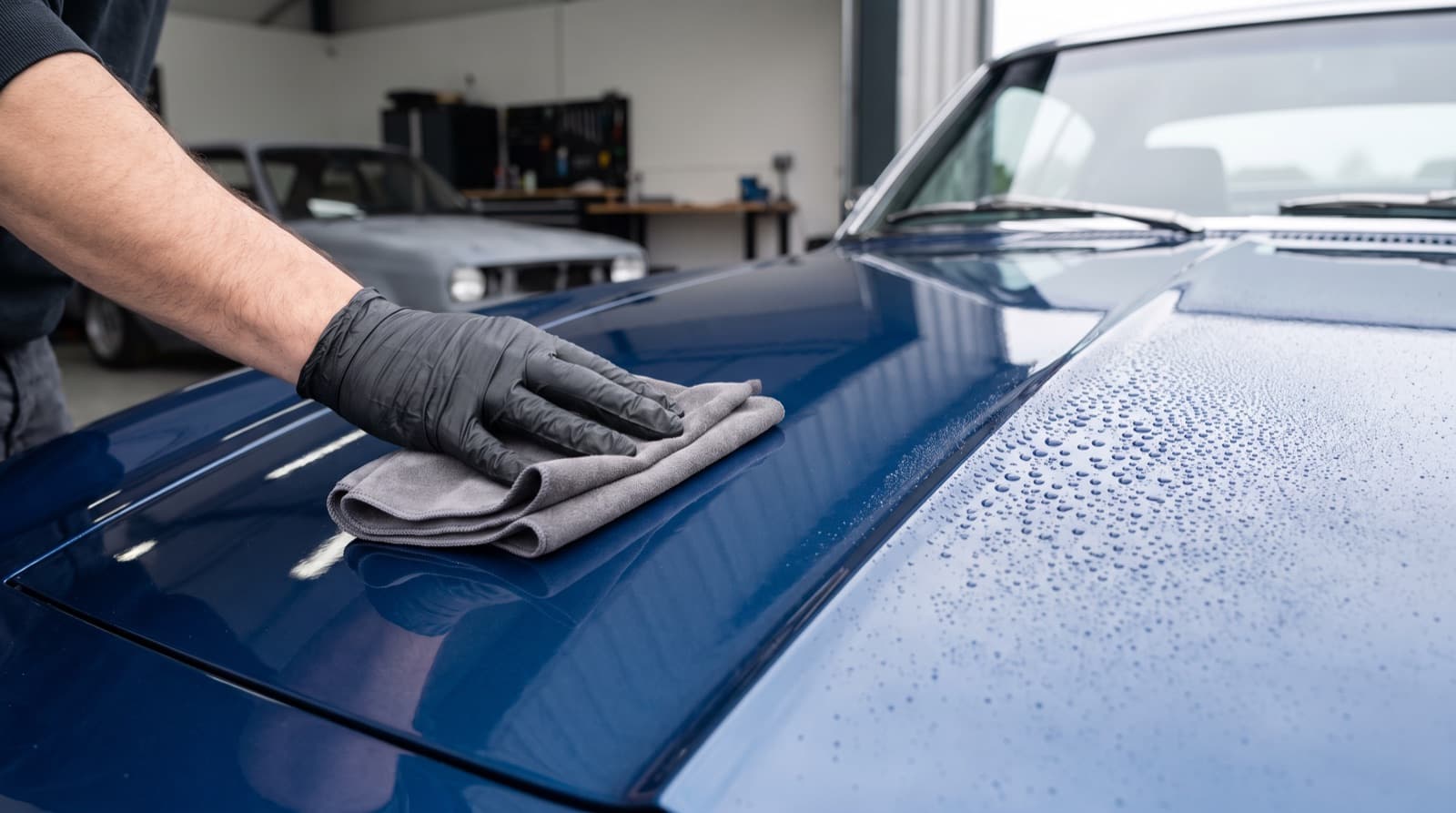
Paint correction is a machine-polishing process that removes a very thin layer of your car's clear coat to erase swirls, scratches, oxidation, and water spots, leaving a smooth, glossy finish. It doesn't cover flaws up. It levels the paint so the damage is physically gone.
We're Golden Bay Detailing. Our technicians have corrected paint on hundreds of cars across San Francisco, and "what is paint correction" is one of the first questions people ask before booking. The short version: a wax or spray only hides scratches for a few weeks. Correction actually removes them.
This guide explains how paint correction works, the difference between 1-step, 2-step, and multi-stage levels, what it can and can't fix, and why it's always done before a ceramic coating.
What is paint correction?
Paint correction is the process of using a machine polisher and abrasive compounds to remove a micro-thin layer of clear coat, taking the surface defects with it.
Your car's paint has layers: primer, a colored base coat, and a clear protective top coat. Almost every scratch and swirl you see lives in that clear coat, not the color underneath. When a polisher and compound level the clear coat down just past the bottom of a scratch, the scratch disappears for good.
That's the key difference from a wax, glaze, or 'scratch remover' spray. Those products fill or mask defects for a few weeks. Correction removes them, so the result is permanent until new damage happens.
Pro tip: Quick test: if a scratch catches your fingernail, it's likely too deep to fully correct. If your nail glides over it, correction can usually erase it.
How does paint correction work, step by step?
Real correction is careful, not fast. Rushing it burns paint. Here's the process a good detailer follows:
- Wash and decontaminate. The car is washed, then clayed to pull out embedded grit so the polisher doesn't drag it across the paint.
- Inspect under bright light. We use a swirl-finder or LED lamp to see every defect and a paint gauge to measure clear-coat thickness.
- Test spot. We polish one small section first to find the least aggressive pad-and-compound combo that clears the defects.
- Compounding. A cutting compound and pad remove the deeper defects and level the clear coat.
- Polishing. A finer polish refines the surface and removes the light haze that compounding leaves behind.
- Wipe down and protect. The panel is wiped with a paint prep to strip oils, then sealed with a coating, sealant, or wax.
Pro tip: The magic isn't the machine, it's reading the paint. Measuring clear-coat thickness before you cut is what separates a safe correction from a ruined panel.
1-step vs 2-step vs multi-stage paint correction
Paint correction comes in levels. The right one depends on how bad the paint is and how perfect you want it. More steps means more defect removal, more time, and more cost.
Here's how the levels compare, using our real pricing:
| Level | What it does | Defects removed | Price |
|---|---|---|---|
| 1-step (one-stage) | One combined cut-and-polish pass | Roughly 60-80% of swirls and light marks | $399 |
| 2-step (two-stage) | Separate compound and polish steps | About 85-95%, including deeper swirls | $799 |
| Multi-stage | Multiple cutting and refining passes | Up to 95%-plus, show-car finish | $1,199 |
Pro tip: Chasing 100% perfection isn't always smart. Every pass thins the clear coat. On a daily driver, a 1-step or 2-step gives a huge visual jump while keeping plenty of clear coat in reserve.
What can and can't paint correction fix?
Correction works on anything living in the clear coat. It can't touch damage that goes deeper than the clear coat or isn't paint at all. Being honest about this upfront saves everyone disappointment.
- Fixes: swirl marks and wash scratches
- Fixes: light to medium scratches that don't catch a fingernail
- Fixes: oxidation and dull, faded paint
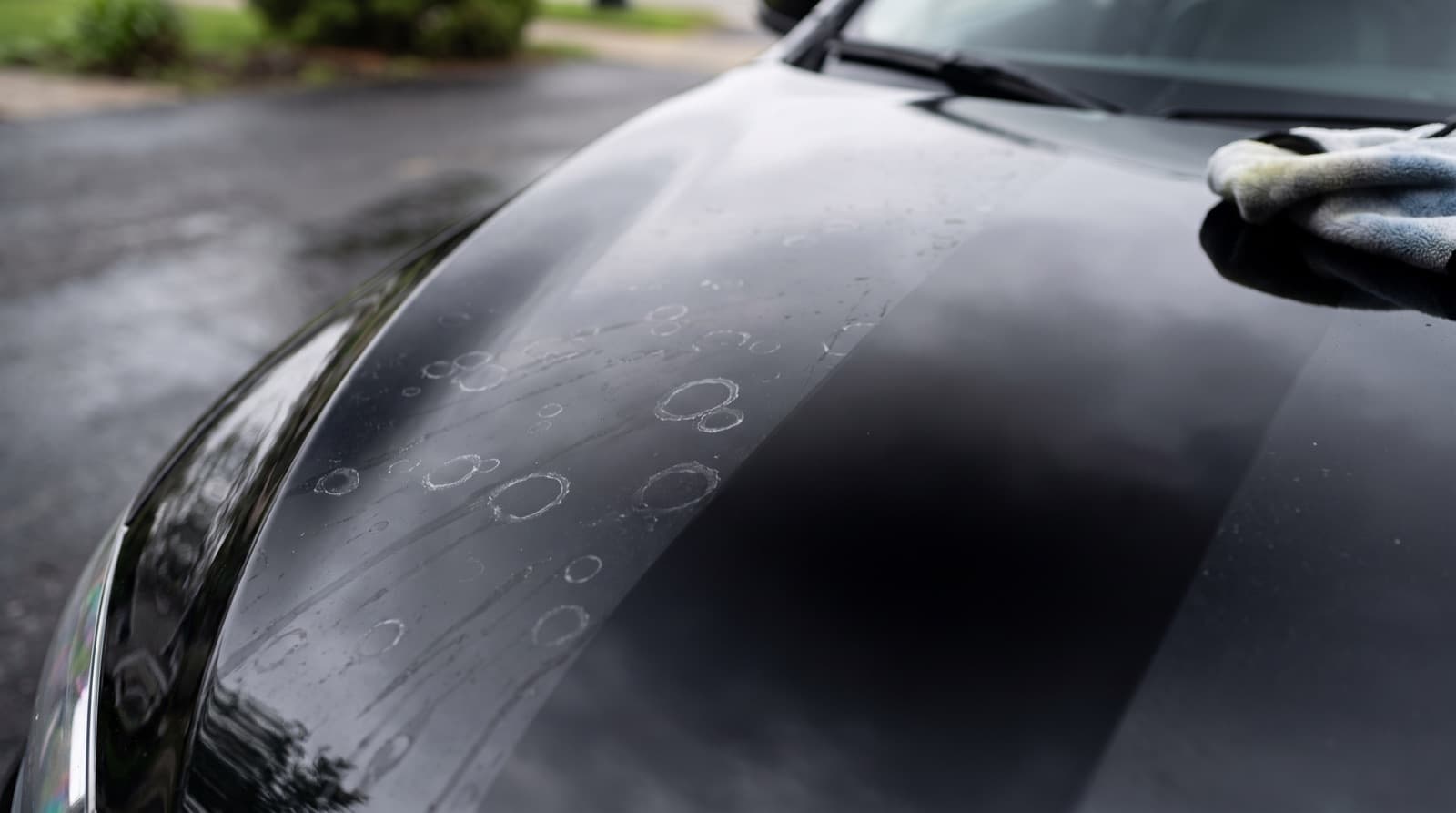
- Fixes: water spot etching and light chemical staining
- Fixes: buffer trails and holograms from a bad earlier polish
- Can't fix: deep scratches that reach the color or primer
- Can't fix: rock chips, dents, and cracked or peeling clear coat
- Can't fix: scratches you can feel with a fingernail (these get improved, not erased)
Pro tip: A deep scratch can often be made 80% less visible with careful wet sanding, but once you're through the clear coat, a repaint is the only true fix.
Why is paint correction done before ceramic coating?
A ceramic coating is clear and lasts years, so whatever the paint looks like the day it goes on is what you're locking in. Coat over swirls and you seal the swirls under glass.
That's why every reputable installer corrects first. The coating needs clean, bare paint to bond to, and you want the finish flawless before it's sealed. A coating also bonds better and lasts longer on freshly polished paint.
This is why our ceramic packages include a one-step paint correction in every tier. We're not going to seal a coating over defects and call it done.
Pro tip: If a shop offers a cheap ceramic with no correction step, ask what they're coating over. A coating is only as good as the paint beneath it.
Is paint correction safe for my paint?
Done right, yes. Done wrong, it can burn through the clear coat and cause permanent damage that needs a repaint. The risk is real, which is why skill matters more than the machine.
Clear coat is thin, usually around 1.5 to 2 thousandths of an inch, and every correction removes a tiny fraction of it. A healthy factory clear coat can handle several careful corrections over a car's life. That's why a good detailer measures thickness and uses the least aggressive method that works.
Modern dual-action polishers are DIY-friendly for a light 1-step, and a careful beginner can safely improve their own paint. But deep defects, soft or thin factory paint (common on Teslas and many EVs), and full multi-stage work are where a pro earns the fee.
Pro tip: If you DIY, start with the softest pad and lightest polish, work in the shade, and never let the pad run dry. Most beginner damage comes from too much pressure and too little product.
Paint correction for San Francisco cars
San Francisco is hard on paint in ways that make correction especially worth it here. Most drivers park on the street with no garage, so cars pick up swirls from grime, brushes, and covers, plus water spots from fog and the marine layer.
Add salt air off the bay, tree sap, and the fine grit that coats every street-parked car, and you get dull, spider-webbed paint faster than in a dry inland climate. Correction erases that, and paired with a coating it makes the next round of grime far easier to rinse off.
Because we're mobile, we correct your paint in your own driveway, building garage, or office lot, with our own water and power. Good correction needs proper lighting, so for multi-stage work we set up bright LED lamps to catch every defect. No dropping your car at a shop for days.
Pro tip: Street-parked in the fog belt? A 2-step correction plus a ceramic coating is the combo that keeps water spots and swirls from coming right back.
Frequently Asked Questions
How much does paint correction cost?
Paint correction usually runs from about $399 for a one-step up to $1,199 for multi-stage work, depending on your paint's condition and vehicle size. Our pricing is $399 for a 1-step, $799 for a 2-step, and $1,199 for multi-stage. A quick inspection is the only way to know exactly which level your car needs.
Does paint correction remove scratches?
Yes, if the scratch sits in the clear coat. Correction levels the clear coat to remove swirls and light-to-medium scratches for good. If a scratch catches your fingernail, it has gone through the clear coat and can only be reduced, not fully erased, without a repaint.
How long does paint correction last?
The correction itself is permanent, since the defects are physically removed, not hidden. But bare corrected paint will pick up new swirls the moment you wash it wrong. To keep the finish, protect it with a ceramic coating, sealant, or wax, and use safe wash habits.
Is paint correction the same as buffing?
Buffing is one part of paint correction. 'Buffing' usually just means running a machine and compound over the paint, while paint correction is the full, measured process: decontamination, testing, compounding, polishing, and protecting, with clear-coat thickness checked along the way. Correction is buffing done carefully and completely.
Do I need paint correction before a ceramic coating?
In almost every case, yes. A ceramic coating is clear and lasts years, so it locks in whatever condition the paint is in. Correcting first removes swirls and scratches so you seal a flawless finish, not the flaws. That's why we include a one-step correction in every ceramic package.
Can I get paint correction at home in San Francisco?
Yes. Golden Bay Detailing is fully mobile, so we bring the polishers, lighting, water, and power to your driveway or office anywhere in San Francisco, the Peninsula, and Marin. You don't drop the car anywhere. We correct it on-site and can add a ceramic coating the same visit.
Keep reading from Golden Bay
Ready to see your paint without the swirls?
Send a couple of photos and we'll tell you which level of paint correction your car needs, with an exact price, then do it right in your San Francisco driveway. No pressure, no upsell.