Maintenance & Care
How Often Should You Wash Your Car? A Real 2026 Guide
Key Takeaways
- Most cars should be washed every two weeks, but street-parked cars need washing weekly and cars near the ocean or road salt need it even more often.
- Washing too frequently with poor technique — a dirty mitt, dish soap, or an automatic tunnel brush — causes more paint damage than washing too little.
- Rain does not count as a wash; it drops dust, acids, and minerals on your paint that leave spots as it dries.
- A ceramic coating lets you wash less often and more easily because dirt and water release instead of bonding to the paint.
- In San Francisco, fog, marine-layer moisture, and salt air keep a street-parked car damp and dirty year-round, so most SF cars need a wash every 7 to 10 days.
You should wash your car about every two weeks — but weekly if it lives on the street, and more often near the ocean or road salt. That is the honest baseline, and how often you should wash your car really comes down to where you park, your climate, the season, and how you drive.
Here's the part most people miss: washing too often the wrong way does more damage than not washing enough. A dirty mitt or a tunnel brush drags grit across your paint and leaves swirl marks that cost hundreds to correct later.
At Golden Bay Detailing here in San Francisco, our technicians have hand-washed and corrected more than 500 cars, so we'll give you a real cadence by situation, explain when frequent washing backfires, and cover what our fog and salt air actually do to a street-parked car.
How often should you wash your car?
For a typical daily driver, wash the exterior every two weeks. That single rhythm prevents most of the paint problems we get called to fix. From there you move up or down based on your situation.
The table below gives a real interval for each common setup. Find the row that matches your car and use it as your default.
| Your situation | Wash every | Why |
|---|---|---|
| Garaged, low miles | 3-4 weeks | Shelter blocks most dust, sap, and moisture |
| Daily driver, mixed parking | 2 weeks | Normal road grime and light fallout build up |
| Street-parked, no garage | 7-10 days | No shelter means constant dust, sap, and fog film |
| Near the ocean or bay | Weekly | Salt air speeds up spotting and corrosion |
| Winter road salt / heavy rain | Weekly | Salt and road film eat at paint and undercarriage |
| Ceramic-coated car | 2-3 weeks, easier | Dirt releases faster, so each wash is quicker |
Pro tip: If you only remember one number, make it two weeks. Miss that and grime bonds into a film a normal wash won't lift.
Can you wash your car too often?
Yes and no. Washing itself does not hurt your car — bad technique does, and bad technique repeated often is what wrecks paint. This is the single most misunderstood thing about car care.
Every time you touch dry or dirty paint, you risk grinding fine grit across the clear coat. Do that weekly with a gas-station tunnel brush or a grimy sponge and you'll build a web of swirl marks in a season. Do it right and you can wash weekly for years with zero harm.
- What actually causes damage: automatic tunnel brushes, dish soap, dirty mitts, wiping dust off dry paint, and drying with a rough towel.
- What frequent washing does right: removes acidic bird droppings, sap, and salt before they etch the clear coat.
- The takeaway: frequency is fine, technique is everything. A clean, careful weekly wash beats a rushed monthly one.
Pro tip: Never use dish soap on your car. It strips wax and coating protection and dries out trim. Use a dedicated pH-neutral car shampoo instead.
How do climate and season change the answer?
Your climate and the time of year shift the whole schedule. The same car needs very different care in a dry inland garage versus a damp coastal street, and in July versus a salty, rainy January.
One thing that trips people up: rain is not a wash. Rainwater carries dust, acids, and dissolved minerals, and it leaves spots on your paint as it dries. A car that only ever gets rinsed by rain actually ends up dirtier.
- Winter and rainy season: road film, plus road salt in colder regions, clings to paint and the undercarriage. Wash weekly and rinse the underside.
- Spring: pollen and tree sap are acidic and sticky. Rinse them off fast rather than letting them bake on.
- Summer: sun and heat set water spots and bug splatter quickly. Wash in shade and dry right away.
- Coastal and foggy areas year-round: salt air and marine moisture never fully dry, so spotting and corrosion move faster.
Does garage or street parking matter more?
Where your car sleeps is the biggest single factor in how often you need to wash it — bigger than the car, bigger than your mileage. A garage is a full-time shield. The street is full-time exposure.
A garaged car dodges dust, UV, sap, bird droppings, and overnight moisture. A street-parked car collects all of it, every night, whether you drive or not. That's why two identical cars a block apart can be on completely different schedules.
Pro tip: Bird droppings and tree sap are acidic. On a street-parked car they can etch a permanent mark in under a week — wipe them off with a damp microfiber the day you spot them, don't wait for wash day.
The San Francisco fog and salt reality
Living in SF changes the math. Our cars fight fog and marine-layer moisture that never fully burns off, salt air blowing in off the bay and ocean, water spotting, and a steady film of street-parking grime. Park under a tree in the Sunset, Noe Valley, or the Richmond and you add sap and droppings on top.
For a street-parked SF car with no garage, we recommend a wash every 7 to 10 days. That sounds like a lot until you remember the car has zero shelter — every foggy night leaves a damp film that dries into spots, and salt air works on the paint the whole time.
This is exactly why mobile detailing fits the city so well. We bring our own water and power to your driveway, curb, or office, so you never have to hunt for a car wash or move the car on street-cleaning day. For no-garage apartment living, that's the difference between staying on schedule and letting the car slide.
How does your driving change it?
How and where you drive matters as much as where you park. Miles and road conditions decide how much grime the car picks up between washes.
- Lots of highway miles: bug splatter, tar, and brake dust build fast — wash more often and treat the front end.
- Dirt roads, job sites, or the beach: sand and mud are abrasive and hold moisture against paint. Rinse soon after.
- Short city trips only: less road grime, but street-parking fallout still sets the schedule.
- Garaged but barely driven: dust is the main enemy, so a wash every few weeks and a rinse is plenty.
- After a road trip or Burning Man: playa dust and bugs are abrasive and corrosive — get them off within a few days, not weeks.
How to wash so it helps, not hurts
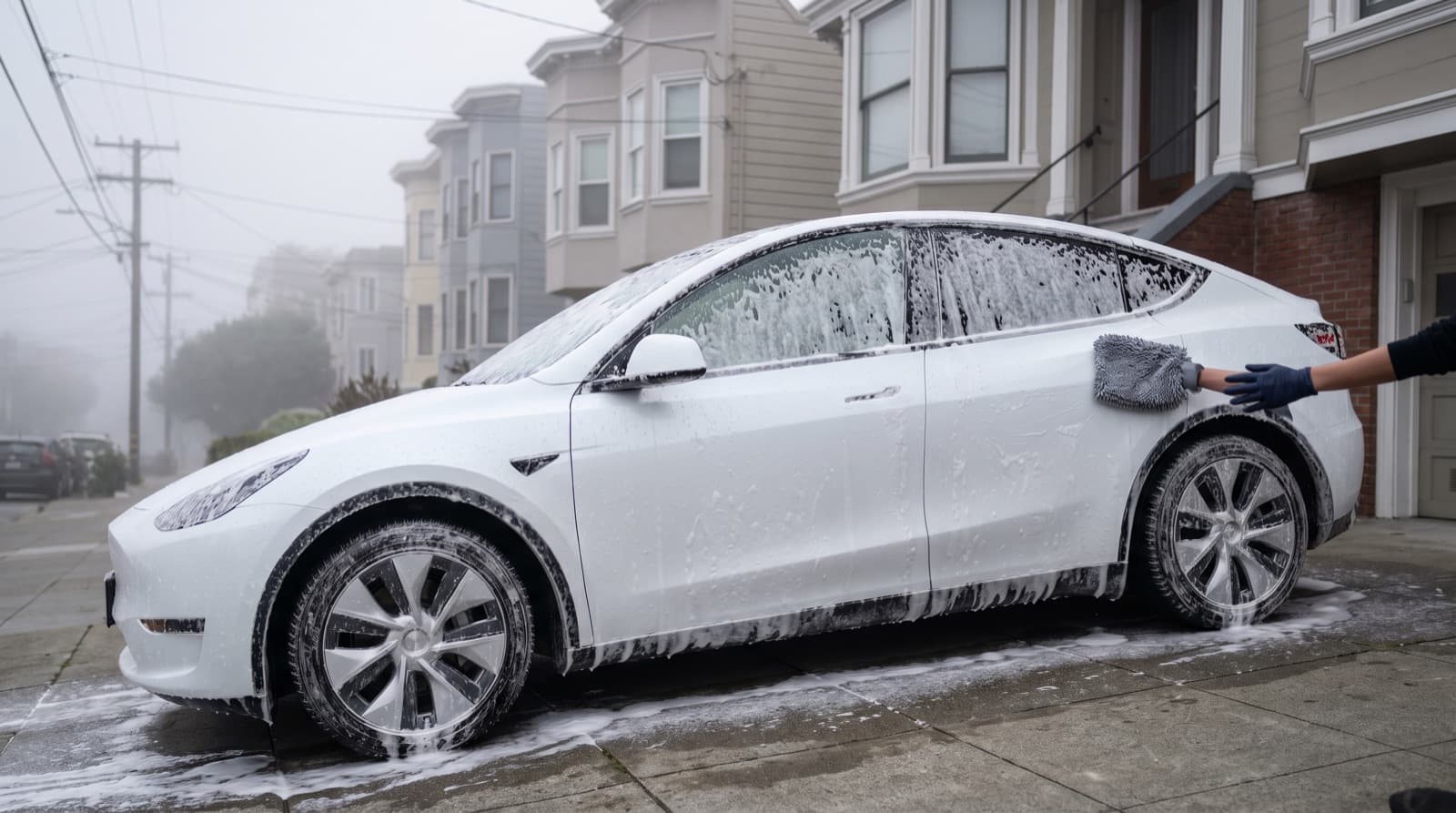
The good news: a proper wash is easy to do at home and safe to repeat often. You just need the right method and a shaded spot. Here's what keeps frequent washing on the helping side.
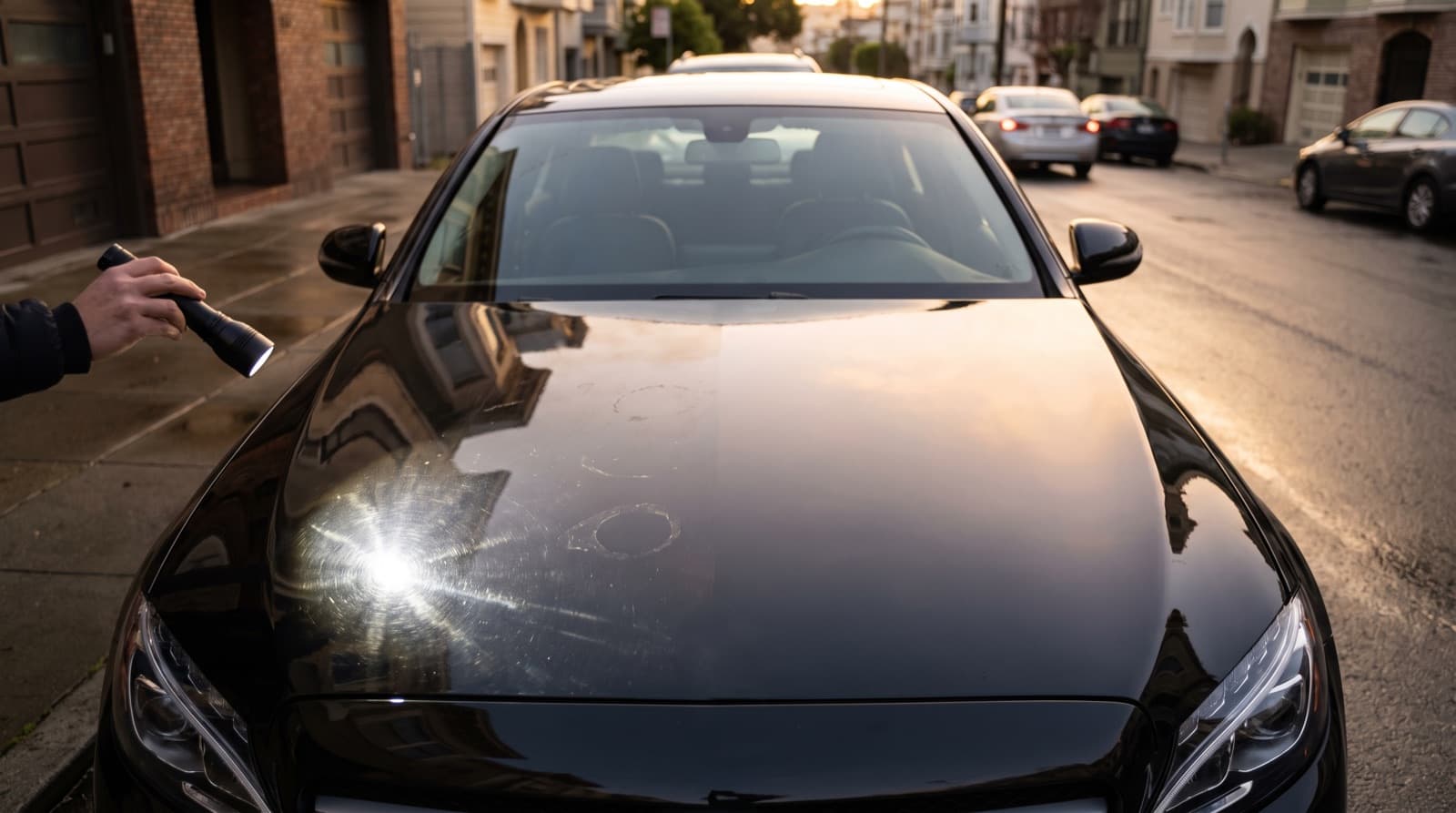
When to call a pro: if your paint already has swirls, water spots, or etching, a wash won't fix it — that needs paint correction. And if you'd rather not chase wash day at all, a maintenance detail on a set schedule keeps the car protected without the work.
- Use the two-bucket method: one bucket of soapy water, one of clean rinse water, so grit leaves the mitt instead of going back on the paint.
- Use pH-neutral car shampoo and a clean microfiber wash mitt — never dish soap or a household sponge.
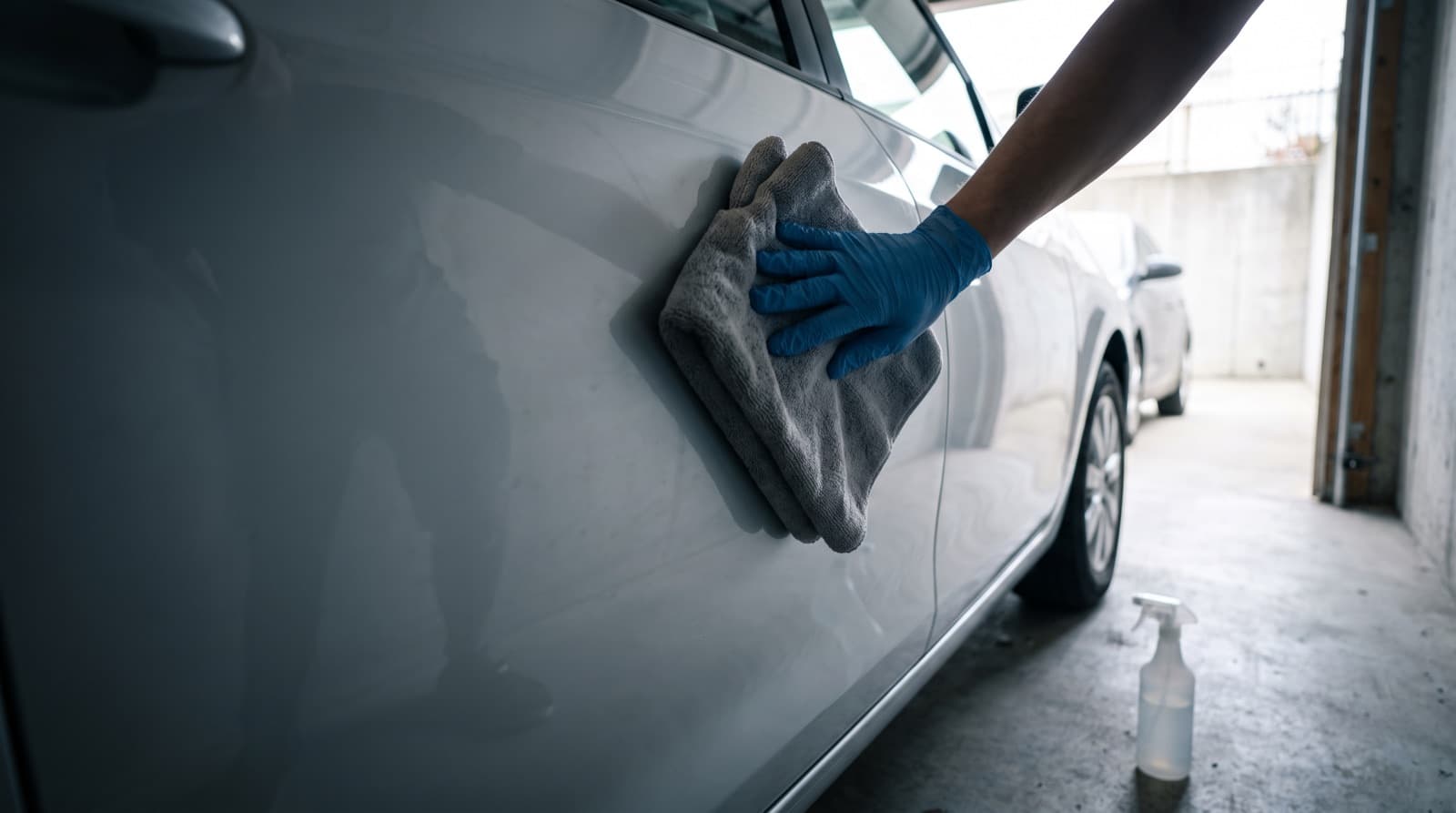
- Rinse first to float off loose grit, wash top to bottom, then dry with a plush microfiber towel so you don't leave water spots.
- Skip automatic tunnel washes with brushes — they're the number-one cause of the swirls we see.
Pro tip: Wash in the shade on cool paint. Sun dries soap and water before you can rinse and dry it off, and that's what leaves cloudy mineral spots baked onto the panel.
Frequently Asked Questions
How often should you wash your car?
Most cars should be washed every two weeks. Street-parked cars, cars near the ocean, and cars driving on road salt need washing weekly or more. A garaged, low-mileage car can stretch to every three or four weeks and still look great.
Is it bad to wash your car too often?
No, as long as your technique is good. Washing itself doesn't harm paint — dirty mitts, dish soap, automatic tunnel brushes, and dragging grit across dry paint do. A careful weekly wash is better for your car than a rushed monthly one.
Does rain count as washing my car?
No. Rainwater carries dust, acids, and dissolved minerals, and it leaves spots on your paint as it dries. A car that only gets rained on actually ends up dirtier and more spotted, not cleaner.
How often should I wash a ceramic-coated car?
Every two to three weeks, and it's easier because dirt and water release instead of bonding to the paint. A coating cuts how hard you have to work, not the need to wash entirely. A light maintenance detail every 6 to 12 months keeps it performing and its warranty valid.
How often should I wash my car in San Francisco if I park on the street?
Every 7 to 10 days. With no garage, an SF car constantly collects fog moisture, salt air, water spots, and street grime. Golden Bay is mobile, so we come to your curb, driveway, or office with our own water and power to keep you on schedule.
Can I just run it through a tunnel car wash every week?
You can, but the spinning brushes in most automatic tunnels are a leading cause of swirl marks. If you want to wash weekly, a careful two-bucket hand wash or a touchless wash is far safer for your paint.
Keep reading from Golden Bay
Tired of chasing wash day?
Tell us your car and where you park, and we'll send an exact text quote in minutes. We come to you anywhere in SF and the Peninsula with our own water and power — no garage required.