Compare & Choose
Car Buffing Explained: Compound, Polish, Glaze or Wax?
Key Takeaways
- Car buffing covers four kinds of work: compound, polish, glaze, or a protective layer like wax, sealant or ceramic coating.
- Only compound and polish remove swirls and light scratches, by taking off a thin layer of clear coat.
- Glazes and waxes only hide fine swirls, and the marks come back as the product wears off.
- If your fingernail catches in a scratch, it is likely too deep for buffing alone.
- Golden Bay Detailing brings paint correction, from $399, to homes and offices in San Francisco, the Peninsula and Marin.
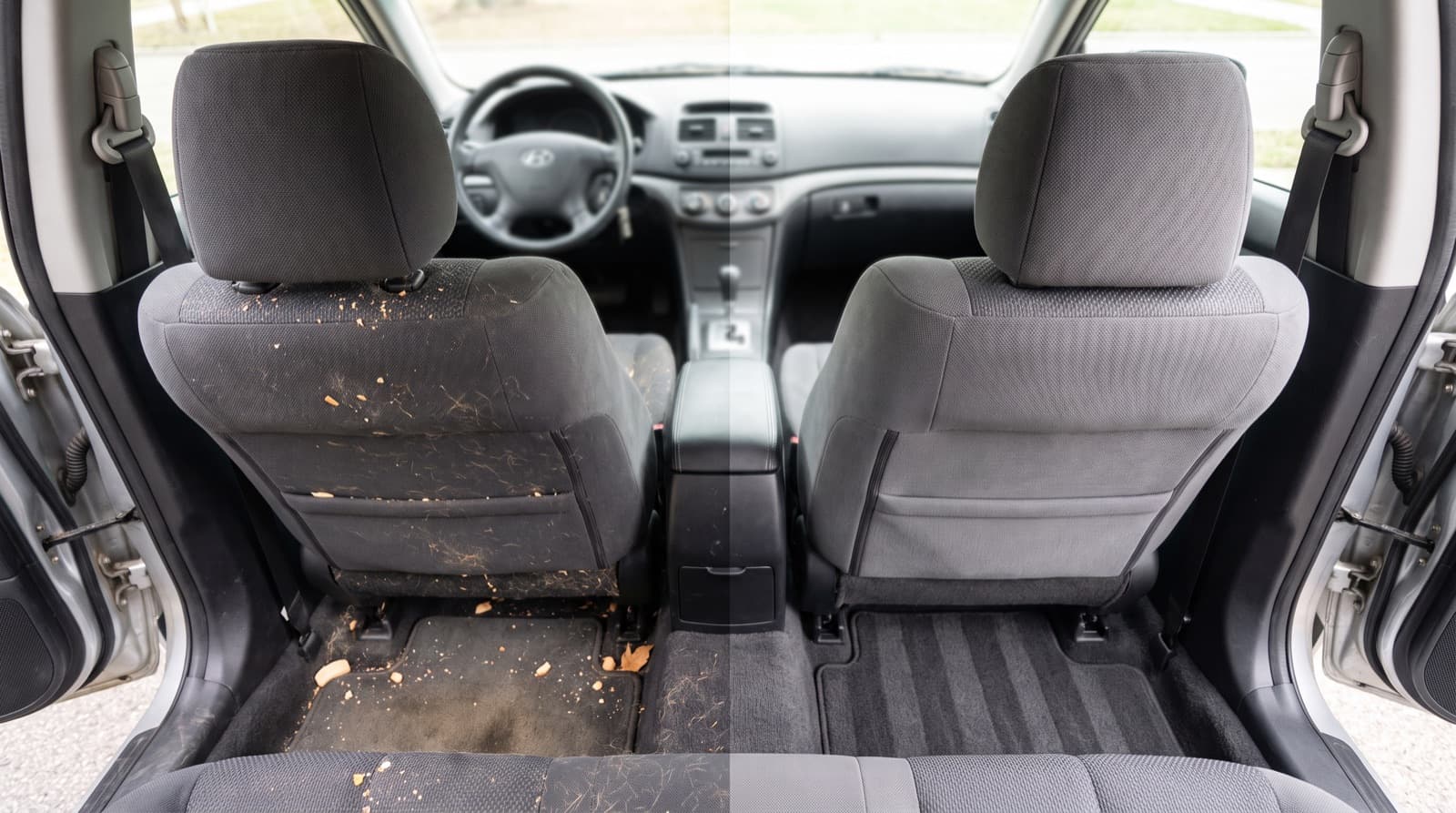
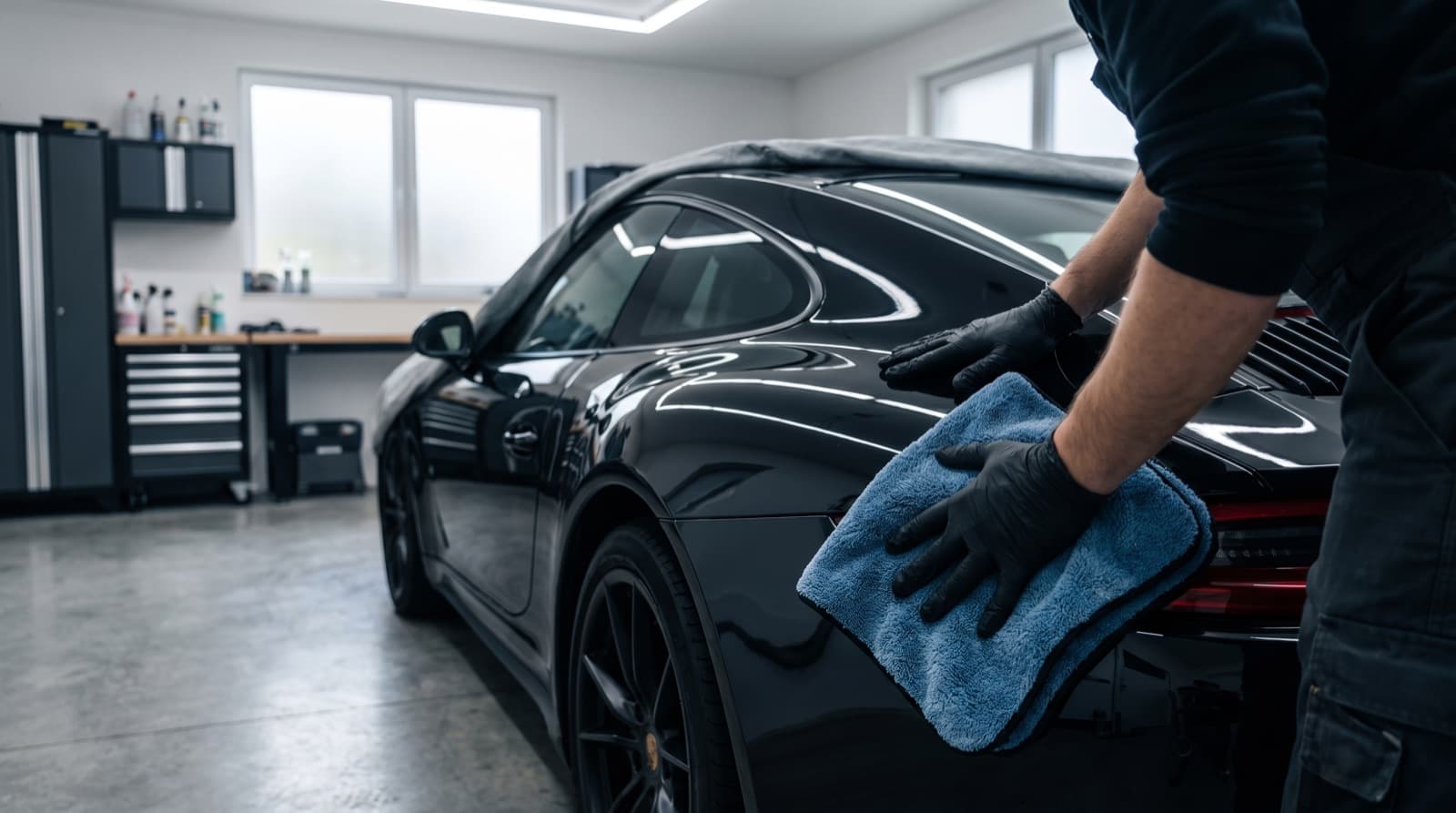
Car buffing means running a pad and product over your paint to remove swirls, bring back gloss or add protection. The product on the pad decides what you really get. Some products fix the paint. Others only hide flaws or add shine.
That is why the word means different things at different shops. A car wash may call a quick wax a buff. A detailer may mean a full day of paint correction (machine work that levels the paint to remove swirls). Same word, very different result.
What does car buffing actually mean?
Think of buffing as a ladder with four steps. The top two steps fix paint. The bottom two hide flaws or protect the paint.
The clear coat is the thin, see-through top layer of your paint. Compound and polish work by taking off a tiny bit of it. Glazes and waxes add something on top instead.
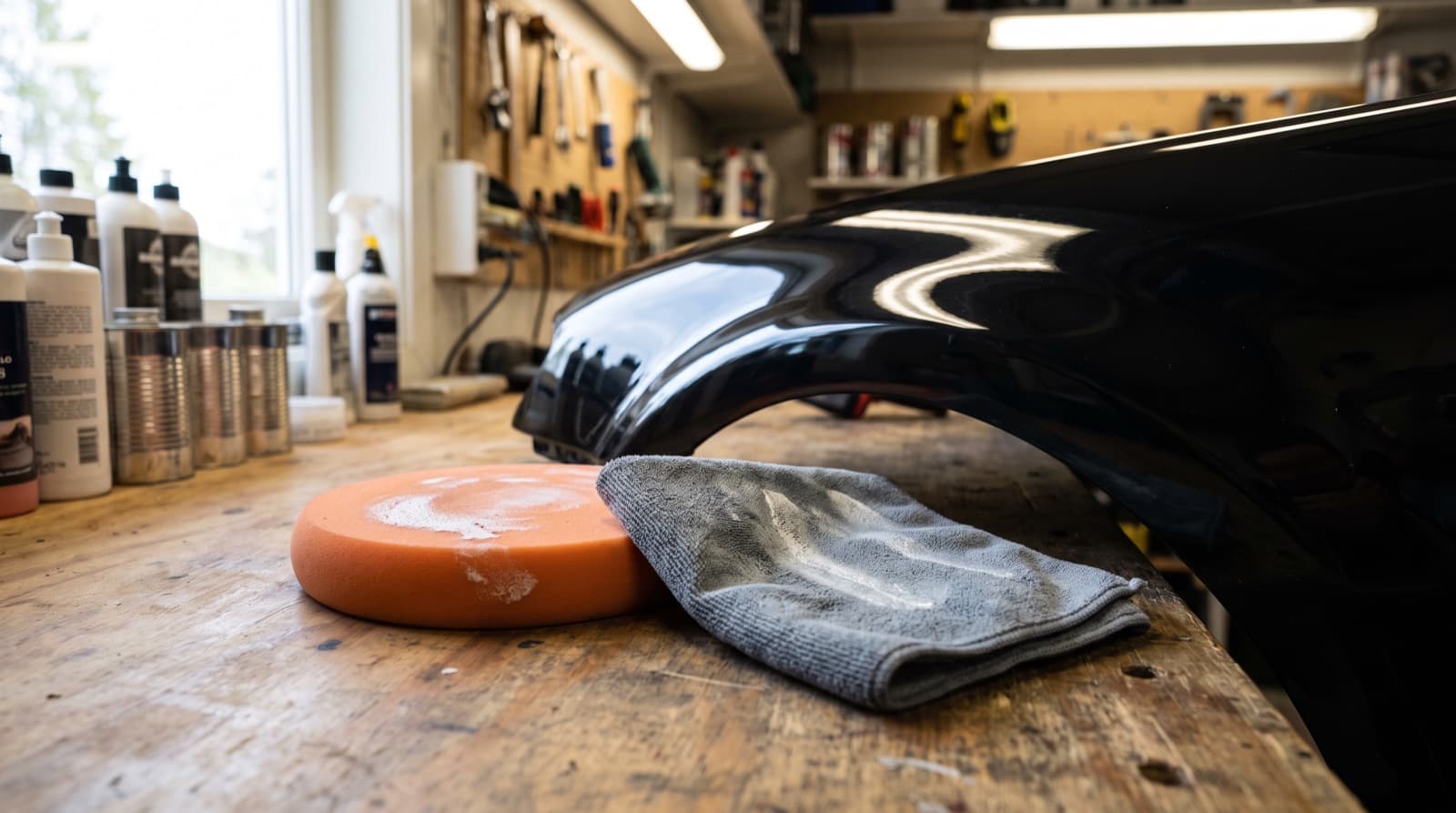
- Compound: a gritty liquid that cuts away a very thin layer of clear coat. It removes swirls, haze and light scratches.
- Polish: a finer liquid that smooths out the marks the compound left. It brings back deep gloss.
- Glaze or filler: an oily product that fills tiny swirls so they vanish for a while. It fixes nothing, so the swirls come back.
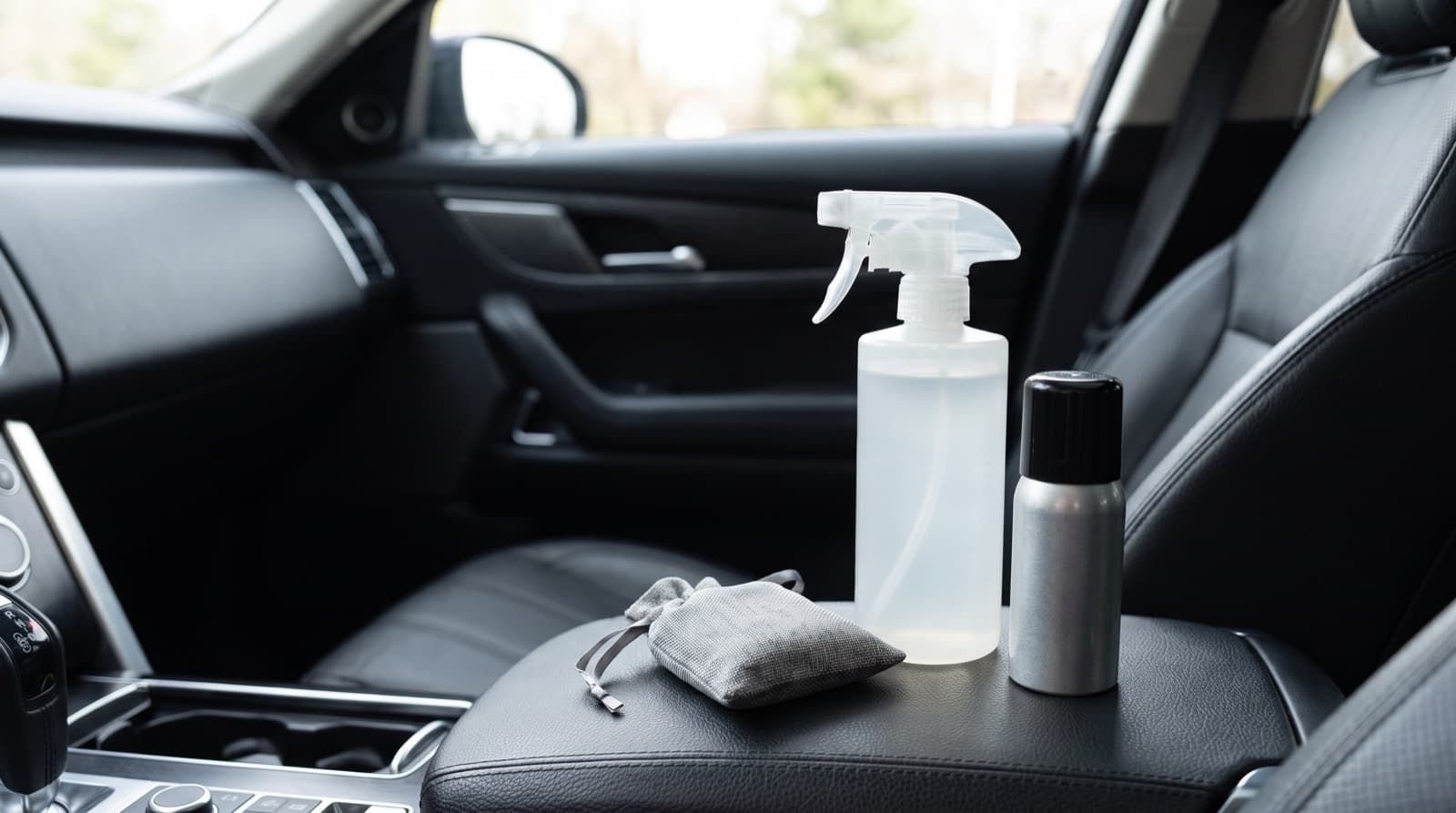
- Wax, sealant or ceramic coating: a clear layer on top. It adds shine and guards the paint, but it does not remove flaws.
Compound, polish, glaze or wax: which one does what?
Here is the full ladder, top to bottom, in the order a pro uses it.
Only compound and polish remove anything. Everything below them sits on top of the paint. A good job fixes the paint first, then adds protection, since compound and polish leave it bare.
| Step | What it does | Removes swirls? | How long it lasts | When to use it |
|---|---|---|---|---|
| Compound | Cuts away a thin layer of clear coat | Yes, plus light scratches | Stays fixed until new marks appear | Heavy swirls, haze, light scratches |
| Polish | Refines the surface for gloss | Yes, light swirls | Stays fixed until new marks appear | After compound, or on paint in fair shape |
| Glaze or filler | Fills tiny marks to hide them | No, only hides them | Often just a few washes | A quick shine before a sale or event |
| Wax | Adds a thin layer of shine | No | Weeks to a few months, by product and weather | Simple protection on paint in good shape |
| Sealant | Adds a man-made protective layer | No | Often several months | Longer protection than wax |
| Ceramic coating | Bonds a hard, glossy layer to the paint | No, paint is corrected first | Years, with the right care | Long-term protection and easier washing |
Does buffing remove scratches?
Yes, if the scratch is shallow. Buffing removes swirls and light scratches that sit inside the clear coat. It cannot remove a scratch that goes through the clear coat into the color or the metal.
Try the fingernail test. Gently drag your nail across the scratch. If it glides over, buffing can often remove it or fade it a lot.
If your nail catches, the scratch is likely too deep for buffing alone. Careful polishing may fade it, but it rarely vanishes.
Etching works the same way. Bird droppings and sun-dried water spots can eat small marks into the clear coat. Light etching often polishes out, while deep etching may only fade.
Every real buff also thins the clear coat a little. That is why pros measure the paint first with a paint thickness gauge. It shows how thick the paint is, so they know how much can safely come off.
Pro tip: Check scratches in direct sun, or hold a phone flashlight at an angle. Swirls look like a spider web that circles the light. A true scratch is one line that stays put as you move the light.
Car polish vs wax: does wax hide scratches?
Polish and wax sound alike, but they do opposite jobs. Polish takes off a tiny bit of paint to make it smoother. Wax adds a layer on top to shine and protect.
Car wax for scratches can hide very fine swirls for a short time. It fills them a bit, so light bounces back more evenly. But the marks are still there, and they show up again as the wax wears off.
The fingernail rule still applies. If your nail catches, no wax will make that scratch go away.
An easy rule: polish fixes. Wax protects. Glaze pretends.
How can you tell real paint correction from a filler buff?
Both jobs can look great the day you get the car back. The difference shows up a few washes later. Check for these signs before you pay.
- They inspect first. They check your paint under a bright light and show you the swirls.
- They measure the paint. A paint depth reading comes before any cutting starts.
- They do a test spot to find the gentlest fix that works.
- The quote names stages. Words like 1-stage or 2-stage mean real cutting and polishing.
- They wipe panels with a prep spray. It strips oils and fillers, so you see the true finish.
- It takes hours, not minutes. A full-car buff done in under an hour is usually a glaze or a wax.
- They are honest about limits. Deep scratches may get better without fully going away.
Pro tip: Ask one simple question: will these swirls come back after a few washes? If the answer is yes, you are paying for a filler, not a fix.
Can you buff your car yourself?
Yes, for light work. Waxing by hand is safe for almost anyone, and a light hand polish can lift faint haze. Heavy swirls and machine cutting take more skill.
Before buffing car paint at home, know what to skip. Do not rub compound over a whole car by hand. Stay off sharp edges and body lines, where the clear coat is thinnest.
Avoid a rotary buffer unless you are trained. It can burn through paint fast or leave holograms (hazy, swirly trails that show in the sun). If you want a machine, read our guide to DIY vs pro polishers first.
- Wash the car well, with two buckets and a clean mitt.
- Use a clay bar (a soft clay that pulls stuck grit off paint). It keeps you from grinding dirt in.
- Work in the shade on a cool, dry panel.
- Do one small section at a time, about two feet square.
- Use light pressure and a clean foam or microfiber pad.
- Wipe off with a fresh microfiber towel, then check in good light.
- Finish with wax or sealant, since polish leaves the paint bare.
Why does Bay Area paint get swirled so fast?
Life here is hard on paint, even without snow or road salt. Most swirls come from how cars get cleaned, not from the weather itself.
Buffing also needs dry, shaded paint, since fog-wet panels and hot hoods both cause trouble. So our technicians can work in your garage, apartment garage or a legal street spot in the shade. The van brings its own water and power.
- Street parking means daily dust, soot and pollen. Wiping them off with a dry towel drags grit across the paint.
- Fog and the marine layer leave a damp film. Grit sticks to it, then dries in place when the sun comes out.
- Salt air near Ocean Beach, the Marina and Sausalito leaves a film that grabs dirt.
- Beach sand can ride home on the car and scratch when it gets wiped.
- The rainy months bring road grime. Cars get washed more, and each rough wash adds marks.
How much does it cost to get a car buffed?
At Golden Bay, a real car buff (1-stage paint correction) starts at $399. Two-stage correction starts at $799, and multi-stage starts at $1,199. A wash and spray wax, which only adds shine, starts at $149 for a sedan.
The final quote depends on your paint's condition. Here is how we match the job to your goal.
- Shine only: exterior wash and spray wax, from $149 for a sedan or $199 for an SUV.
- Light swirls and dull paint: 1-stage paint correction, from $399.
- Heavy swirls and light scratches: 2-stage paint correction, from $799.
- Very worn paint or show-level results: multi-stage correction, from $1,199.
- Long-term protection: ceramic coating from $799, with a 1-step correction included. SUVs and trucks add $200.
Pro tip: If you add a coating, skip washing for 10 to 14 days. After that, wash by hand or touchless only, since brush tunnel washes void our warranty. A yearly Ceramic Maintenance Detail keeps the warranty active.
When should you call a pro?
Sometimes buffing is the wrong fix. If a scratch goes through the clear coat, you may need touch-up paint or a body shop instead. We will tell you if that is the case.
- Swirls cover most of the car, not just one panel.
- You drive a black or dark car, which shows every swirl and etched water spot.
- You just bought a car. Dealer prep washes can leave swirls, so have the paint checked before you add protection.
- You plan to add a ceramic coating, since the paint must be corrected first.
- The car has been repainted, or you do not know how thick the paint is.
- You are selling the car or returning a lease.
- You tried a hand polish and the marks are still there.
Frequently Asked Questions
Is buffing the same as polishing?
Not always. Polishing is one kind of buffing, the kind that smooths the paint to remove fine swirls. Buffing can also mean compounding, glazing or waxing, so ask which step you are paying for.
Is paint correction the same as buffing?
Paint correction is the most thorough kind of buffing. It uses compound and polish, by machine, to remove swirls and light scratches instead of hiding them. A quick buff at a car wash is usually just a glaze or a wax.
Is buffing bad for your car's paint?
Done right, no. Each real buff removes a thin layer of clear coat, so pros measure first and use the gentlest step. Careless machine work can burn through edges or leave hazy trails called holograms.
How often should a car be buffed?
Real paint correction is usually needed only every few years. Each one uses up some clear coat, so a car can only be corrected so many times. Gentle hand or touchless washing keeps new swirls from coming back fast.
How long does car buffing take?
A hand wax can take an hour or two. Real paint correction takes hours, and multi-stage work can take a full day. A full-car buff done in under an hour is usually a glaze or a wax.
Can buffing fix faded or oxidized paint?
Often, yes. Light fading and chalky paint can usually be polished back to gloss. If the clear coat is peeling or flaking, buffing cannot fix it, and the panel needs paint.
Does Golden Bay Detailing offer car buffing?
Yes. Our technicians do real paint correction, from $399, at your home or office. We serve San Francisco, the Peninsula and Marin, so call (415) 483-5686 or ask online for a free quote.
Keep reading from Golden Bay
Get a Free Car Buffing Quote
Tell us about your paint, and we will match you to the right step, from a spray wax to full correction. We come to you across San Francisco, the Peninsula and Marin.