How-To
Paint Decontamination: What It Is and How to Do It Right
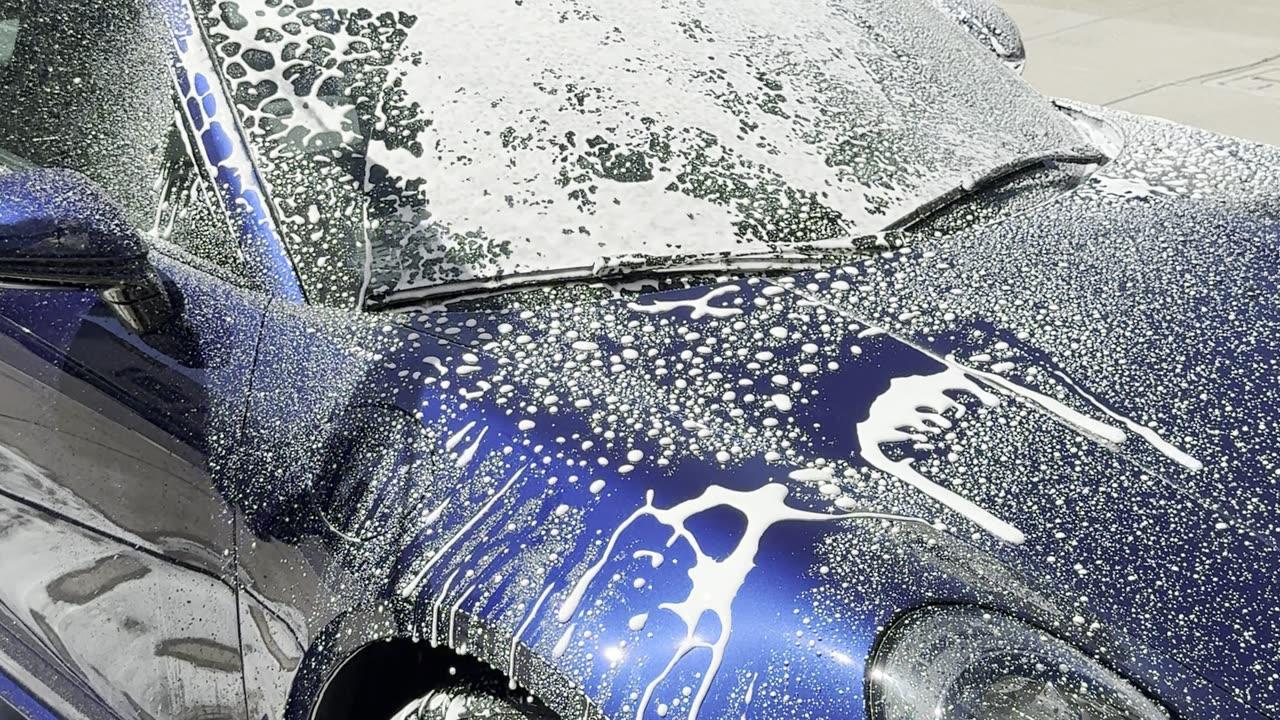
Paint decontamination is the step after a wash that removes what the wash could not: bonded contamination stuck to the clear coat. A daily driver needs it once or twice a year, and any car needs it before polishing or coating.
Soap and a mitt take off loose dirt. They do not take off iron particles, road tar, tree sap, paint overspray or mineral deposits. Those grab the clear coat and stay, and you can feel them as a sandpaper texture on paint that looks clean.
What is paint decontamination?
Paint decontamination is removing bonded contaminants from clean paint with chemicals, clay or both. Bonded means stuck to the clear coat or sunk into it, so a wash mitt slides right over. The common ones in San Francisco:
- Iron particles. Brake dust from your wheels and from traffic, plus rail dust from steel wheels on steel track. Cars parked along Muni rail lines such as the N Judah or T Third, near the Caltrain tracks, or beside the 101 and 280 corridors collect the most. On white paint they show as tiny orange specks.
- Tar. Black dots behind the wheels and along the rocker panels.
- Tree sap and bug remains. Sticky at first, hard as glass after a few weeks of sun.
- Paint overspray. A gritty mist from a construction site or a neighbor spraying a fence.
- Mineral deposits. Left when fog droplets or sprinkler overspray dry on a warm panel. San Francisco tap water is soft, so the cause is water left to dry, not the water supply.
The baggie test: does your paint need it?
The baggie test takes about 30 seconds and tells you whether the paint is contaminated. Wash and dry the car. Put your hand in a thin plastic sandwich bag and slide your fingertips lightly across the hood, the roof and the panel behind a rear wheel. The plastic amplifies what bare skin cannot feel.
If the paint feels like glass, skip the clay. If it feels like fine sandpaper, there is bonded contamination on it.
Chemical decontamination vs mechanical: the two kinds
There are two kinds of decontamination, and a full job uses both. Chemical decontamination dissolves a contaminant. Mechanical decontamination shears it off.
Chemical comes first because nothing rubs the paint. An iron remover reacts with iron particles and turns purple as it dissolves them. This is what detailers call iron decontamination. A tar remover is a solvent that softens tar and sap until they wipe away.
Mechanical means a clay bar, clay mitt or clay towel. Clay glides over lubricated paint and grabs whatever sticks up from the surface. It is the riskier step, because you are rubbing the paint.
Clay bar vs iron remover vs tar remover
Each product removes a different contaminant, so one does not replace the others.
| Product | What it removes | Risk to paint | When to use it |
|---|---|---|---|
| Iron remover (chemical) | Brake dust, rail dust, orange rust specks | Low. Keep it off hot paint and do not let it dry | After the wash, before clay |
| Tar remover (chemical) | Tar spots, fresh sap | Low to medium. It is a solvent and strips wax | Spot treatment on lower panels |
| Clay bar or clay mitt (mechanical) | Overspray, bonded grit, old sap, light mineral deposits | Medium. Can leave light marring, more on soft or black paint | Last, only where the paint still feels rough |
Decon wash: the correct order, step by step
A decon wash goes from least contact to most. Work in the shade on cool paint, in this order.
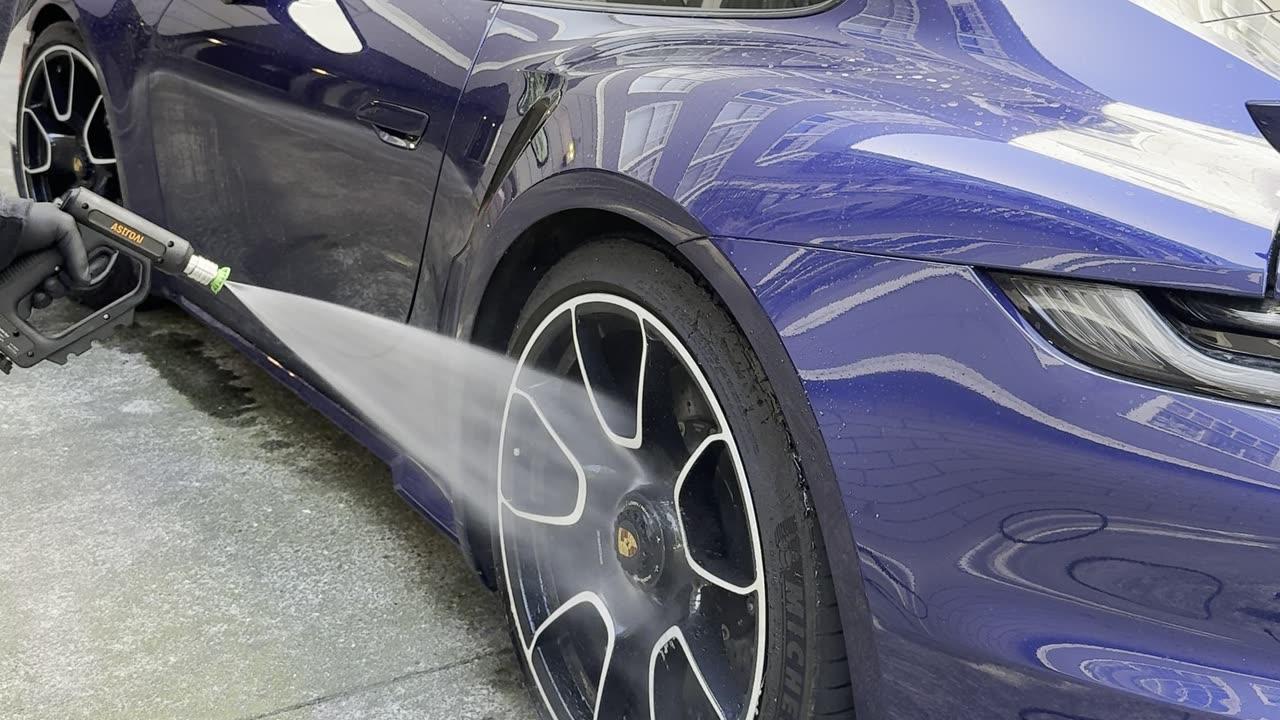
- Wash and rinse. For a home wash, two buckets (one for soap, one to rinse the mitt) keep grit off the paint.
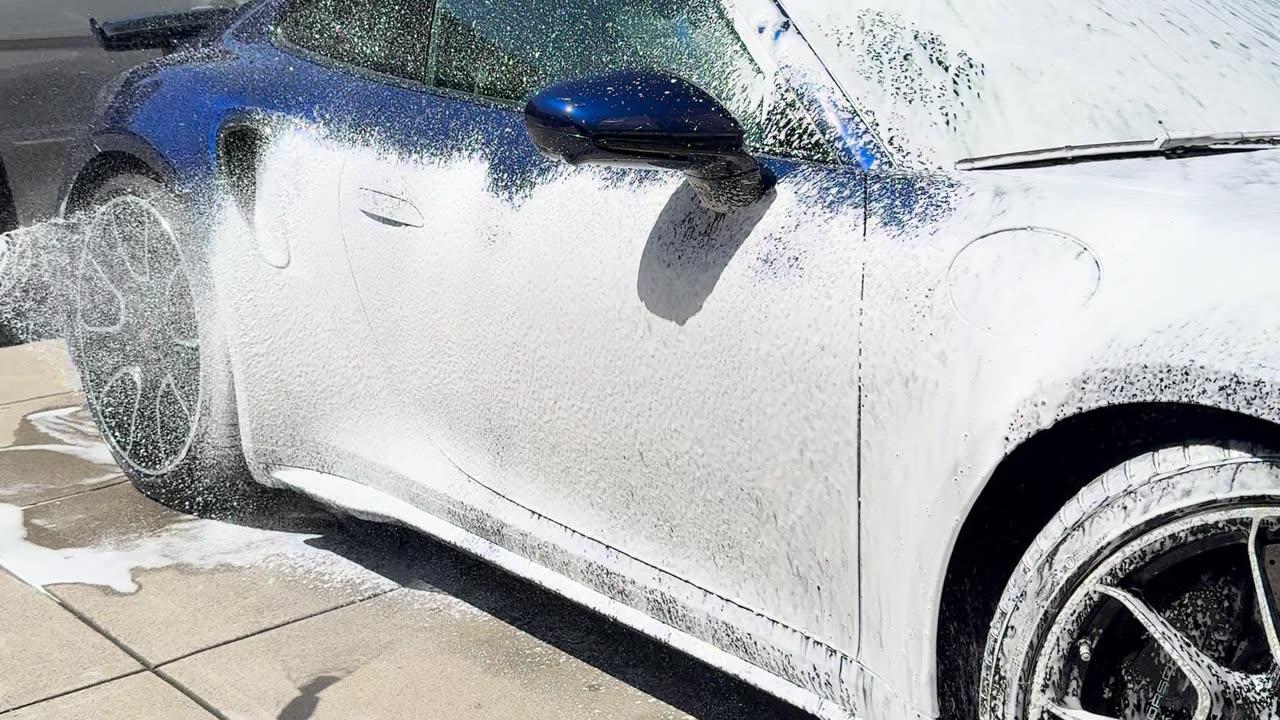
- Spray iron remover on the wet paint and wheels, a panel or two at a time. Let it sit for the time on the label, usually a few minutes, and watch it turn purple. Do not let it dry. Rinse hard.
- Put tar remover on a microfiber, hold it on each tar or sap spot for a few seconds, wipe gently, then rewash that area.
- Repeat the baggie test. If the paint is smooth, stop. You do not need clay.
- Clay what is still rough. Flood a 2 foot by 2 foot area with clay lubricant and glide the clay in straight lines with almost no pressure. Fold it to a clean face often.
- Rinse and dry, then protect. Decontamination strips most waxes, so put on wax, a sealant or a coating the same day.
Pro tip: Drop the clay on the ground and it goes in the trash. It picks up grit you cannot see and will scratch every panel after that. Cut a new bar into three or four pieces first, so a drop only costs you one.
How often to decontaminate car paint
Once or twice a year is right for most daily drivers. Claying more often only adds wear, because every clay pass is a mild abrasive.
| Situation | How often | What to use |
|---|---|---|
| Garaged car, light use | Once a year | Iron remover, clay only if needed |
| Daily driver parked on the street | Twice a year | Iron remover, tar remover, clay |
| Parked near Muni or Caltrain tracks, or beside 101 or 280 | Twice a year | Full decon, plus an iron remover wash in between |
| Before polishing or ceramic coating | Every time | Full chemical and clay decon |
| Ceramic coated car | Once or twice a year | Iron remover only. Routine claying can wear a coating |
Mistakes that mar paint
Almost all decontamination damage comes from the clay step.
- Claying dry. Clay needs a wet film under it at all times. If it squeaks or drags, spray more lubricant.
- Working in direct sun. Iron remover and lubricant flash dry on a hot panel and leave streaks. Wait for shade or a foggy morning.
- Pressing hard. Pressure pushes the grit the clay just picked up back into the clear coat.
What paint decontamination will not fix
Decontamination removes what sits on the paint. It does nothing for damage in the paint.
- Scratches and swirl marks. Those are grooves in the clear coat and need machine polishing.
- Etching. A water spot or bird dropping that has eaten into the clear coat leaves a crater. Clay takes off the deposit and the ring stays.
- Oxidation. Chalky, faded paint needs polishing. Peeling clear coat needs a repaint.
Pro tip: Decontamination adds almost no gloss by itself. If your paint passes the baggie test, you do not need it yet.
Paint decontamination before ceramic coating, and in our packages
Decontamination before a ceramic coating is required. A coating bonds to whatever is on the surface, so coat over iron specks and you seal them in for years. That is why a clay bar is included before every paint correction and ceramic coating we do.
Doing it yourself is realistic with an iron remover, a clay kit and two hours in the shade. Book it with us if you would prefer not to rub clay on soft black paint.
| Service | Clay bar | Price |
|---|---|---|
| Mini Detail | $100 add-on | $249 sedan / $299 SUV / $349 3-row |
| Full Detail | $100 add-on | $399 sedan / $449 SUV / $499 3-row |
| Signature Detail | Included | $599 sedan / $649 SUV / $699 3-row |
| 1-step paint correction | Included | $399 sedan / $599 SUV |
| Cerakote 5-year ceramic package | Included, with a paint enhancement polish | $599 sedan / $699 compact SUV / $799 3-row |
Frequently asked questions
What is a decon wash?
A decon wash is a hand wash with decontamination steps added: an iron remover after the soap, tar remover on the lower panels, then clay if the paint still feels rough. Because it strips old wax, it always ends with fresh protection.
Clay bar vs iron remover: which one do I need?
Use the iron remover first, then decide. It dissolves brake dust and rail dust without rubbing the paint. Clay removes what chemicals cannot, such as overspray and old sap. If the baggie test is smooth after the iron remover, skip the clay.
Is iron decontamination safe for clear coat and ceramic coatings?
Yes, when you follow the label. Iron removers sold for paint are made for clear coat, wheels and coated surfaces. Keep them off hot panels and do not let them dry. On a coated car they are the better routine, because clay can wear the coating.
How often should I decontaminate car paint in San Francisco?
Once or twice a year for a daily driver. Lean toward twice if the car parks on the street near Muni or Caltrain tracks or beside 101 or 280, where rail dust and brake dust are heaviest.
Do I need paint decontamination before ceramic coating?
Yes, every time, even on a new car. The coating bonds to the surface it goes on, so iron specks, tar and overspray have to come off first. Our Cerakote 5-year package, $599 for a sedan, includes the clay bar and a paint enhancement polish.
Does chemical decontamination on a car remove wax or sealant?
Mostly, yes. Tar remover is a solvent and takes wax off wherever it touches. Iron remover and clay weaken most waxes and many sealants. Plan to wax or seal the car the same day.
Add a clay bar to your next detail
Text (415) 483-5686 with your vehicle and where it parks, and we usually reply with a quote in 5 to 15 minutes. Open 8 AM to 8 PM, seven days. Insured, with 127+ Google reviews at a 4.9 average.